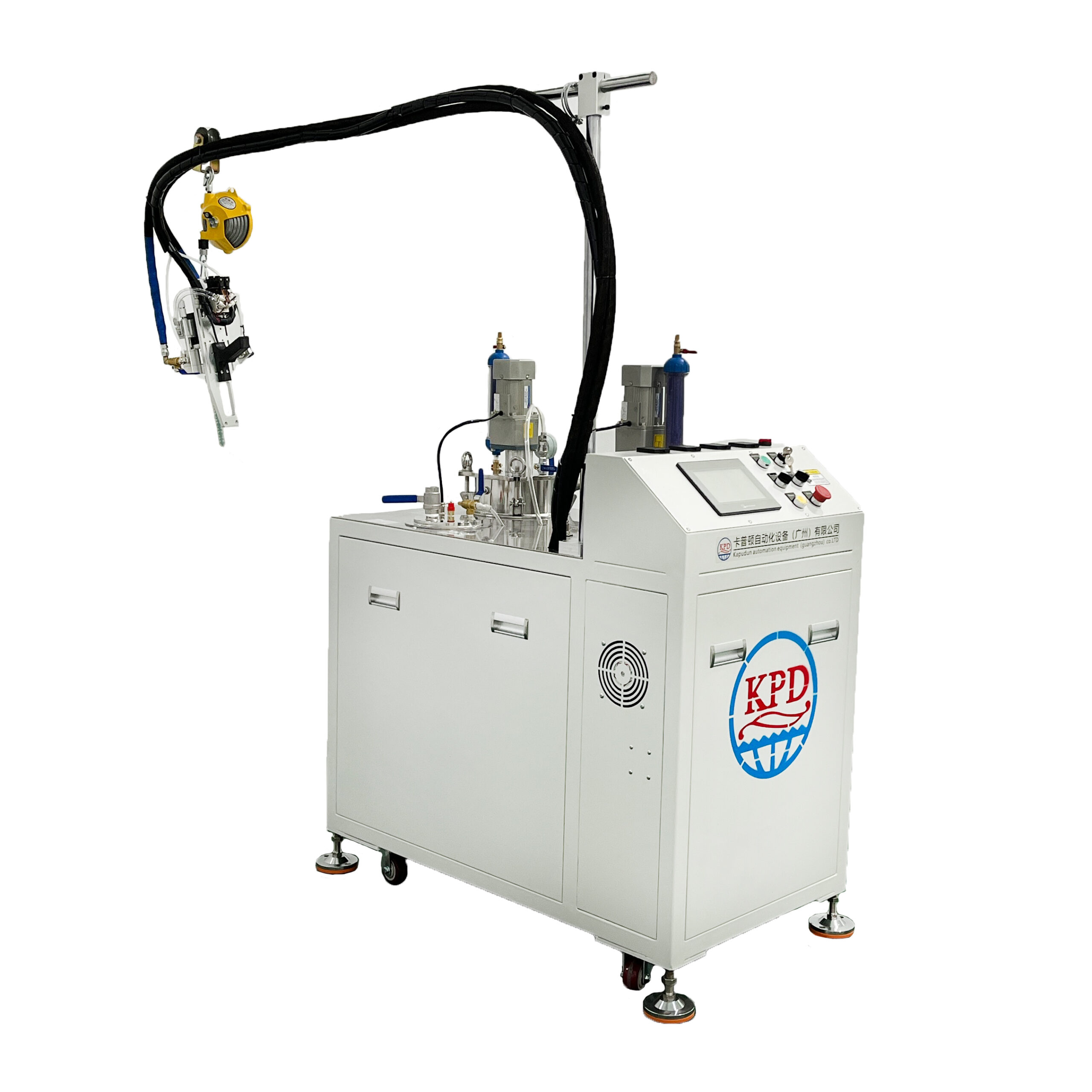
2 Component Glue Dispensing Machine: The Core Driver of Precision Manufacturing in the Intelligent Era
In the landscape of modern precision manufacturing, where the reliability, consistency, and efficiency of product assembly directly determine market competitiveness, the 2 Component Glue Dispensing Machine (also known as AB Glue Dispensing Machine) has emerged as an indispensable core equipment. Unlike single-component glue dispensing equipment that only conveys pre-mixed adhesives, this specialized machine is designed to precisely meter, mix, and dispense two independent fluid components (Component A and Component B) in a predetermined ratio, enabling on-site mixing and immediate application—a process that is critical for unlocking the full performance of two-component adhesives such as epoxy resin, silicone, and polyurethane. From electronic component encapsulation to automotive parts bonding, and from medical device assembly to new energy battery potting, the 2 Component Glue Dispensing Machine is reshaping the production paradigm of high-end manufacturing with its precision and intelligence.
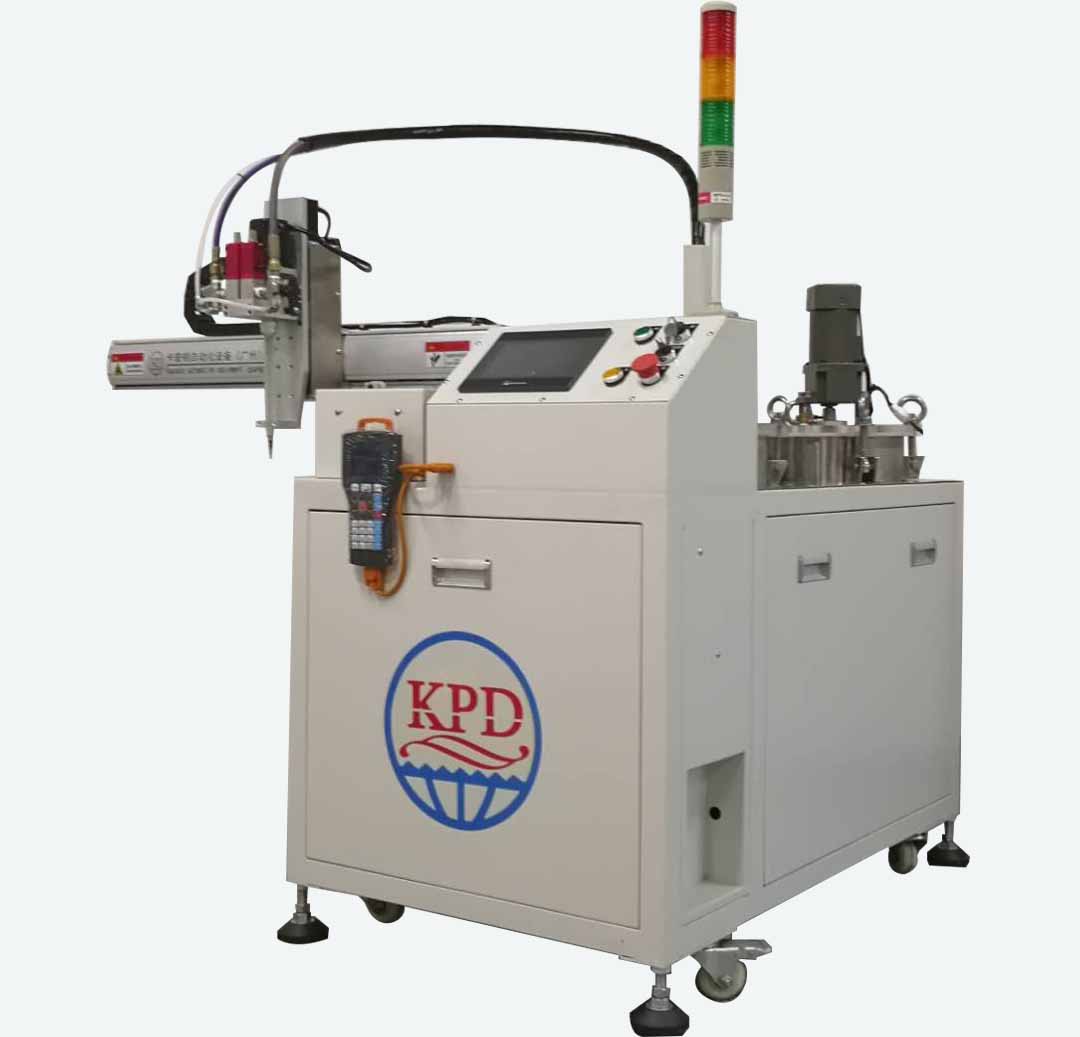
At the heart of the 2 Component Glue Dispensing Machine lies a sophisticated closed-loop working principle, which ensures the accuracy and stability of every link from material supply to glue application. The entire process can be systematically divided into four core stages, each of which is supported by advanced technology to achieve seamless coordination.
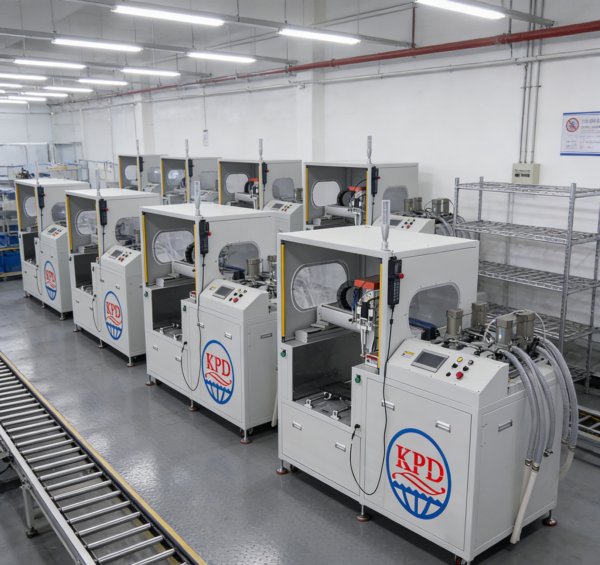
The first stage is precision metering and supply, the foundation of ensuring the accuracy of the mixing ratio. The machine is equipped with two independent feeding systems, where Component A and Component B are stored in separate tanks respectively. These tanks are usually equipped with stirring, heating, and vacuum defoaming functions to maintain the stability of the adhesive’s performance—preventing sedimentation, reducing viscosity fluctuations in low temperatures, and eliminating air bubbles that could affect bonding quality. High-precision metering pumps (such as gear pumps, piston pumps, or screw pumps) driven by servo or stepper motors are used to control the output speed and stroke of each component according to the set mixing ratio (e.g., 1:1, 10:1). The metering accuracy of this link can usually reach ±0.5% to ±1%, which is the key to ensuring the consistency of the final product’s performance.
The second stage isefficient and uniform mixing, a critical factor that determines the curing effect and homogeneity of the adhesive. Two main mixing methods are widely adopted in the industry to adapt to different adhesive viscosities and application requirements. Static mixing, the most commonly used method, involves pressing the two component streams into a static mixing tube equipped with special spiral units; as the fluid flows through these fixed units, it is continuously split, cut, and recombined to achieve molecular-level uniform mixing. This method has no moving parts, requires simple maintenance, and is suitable for most common two-component adhesives. Dynamic mixing, on the other hand, is suitable for materials with extremely high mixing uniformity requirements or high viscosity. It uses a high-speed rotating mixing head to actively shear and stir the fluid in the cavity, achieving more thorough mixing, though it has a more complex structure and requires regular cleaning to avoid cross-contamination. Regardless of the method, the goal is to achieve nearly 100% mixing uniformity, ensuring complete curing reaction and no local performance differences.
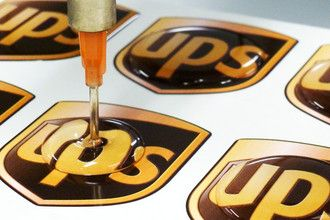
The third stage is controllable dispensing and application, which translates the uniformly mixed adhesive into precise bonding or potting on the workpiece. The output of the mixed adhesive is precisely controlled by adjusting the overall output frequency of the metering pump or using an independent on-off valve (such as a needle valve), enabling different process requirements such as dot, line, surface, or filling dispensing. The dispensing head is usually installed on a multi-axis motion platform (such as a three-axis gantry or robotic arm), and its movement trajectory, speed, and height are controlled by programming to achieve automatic, repetitive, and precise application of complex two-dimensional or three-dimensional paths. Some advanced models are also equipped with 3D camera automatic scanning systems, which can identify the product model and exact position, eliminating the need for special fixtures and improving production flexibility.
The fourth stage is intelligent control and monitoring, which coordinates all the above links to realize full-process automation. The central control system, usually composed of an industrial PLC and a touchscreen HMI (or industrial PC with Windows-based dispensing software), integrates the control of the metering pump’s start-stop and speed, mixing mode switching, dispensing valve opening and closing, and motion platform trajectory. The system can store and call hundreds of sets of “recipes,” which include all parameters such as mixing ratio, pressure, flow rate, and trajectory, facilitating quick switching between different products during mass production. Additionally, it can monitor key parameters such as pressure, temperature, and liquid level in real time, and automatically alarm when abnormalities occur, ensuring process stability and equipment safety.
The unique advantages of the 2 Component Glue Dispensing Machine make it irreplaceable in high-end manufacturing. Compared with traditional manual mixing and dispensing, it not only eliminates human errors caused by manual ratio control and uneven mixing but also greatly improves production efficiency and product qualification rate. The precision control of the machine ensures that the adhesive is applied exactly where it is needed, reducing material waste and lowering production costs. Moreover, its modular design and flexible configuration allow it to adapt to a variety of two-component adhesives and workpiece sizes, meeting the diverse needs of different industries. The automatic cleaning and self-discharging functions of advanced models also prevent the mixed adhesive from solidifying in the pipeline, reducing maintenance costs and equipment downtime.
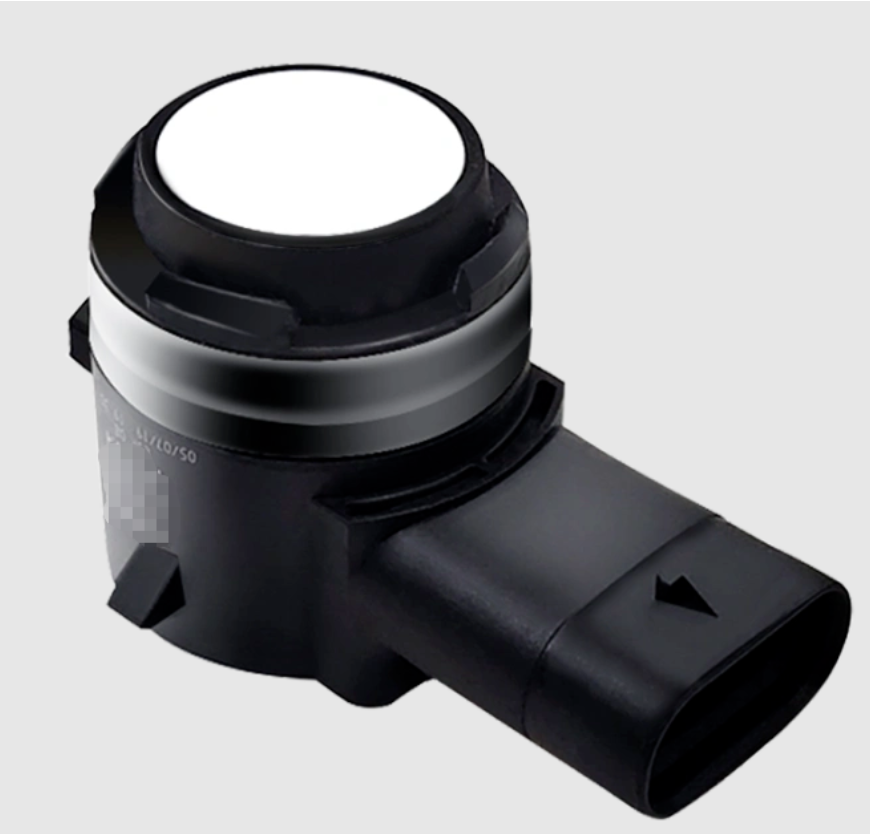
The application scope of the 2 Component Glue Dispensing Machine covers almost all fields of precision manufacturing. In the electronic industry, it is widely used in the encapsulation of PCB boards, sensors, relays, and Mini LED modules, as well as the bonding of connectors and power adapters, providing reliable insulation, heat dissipation, and moisture-proof protection for electronic components. In the automotive industry, it is used for the bonding of automotive electronic components (such as laser radar, millimeter-wave radar), the sealing of body seams, and the potting of battery modules, enhancing the structural strength and durability of automotive parts under harsh working conditions. In the medical device industry, it is used for the bonding and sealing of medical catheters, implantable devices, and diagnostic equipment, requiring compliance with biocompatibility requirements and ensuring high purity and curing consistency of the adhesive. In the new energy field, it plays a key role in the structural bonding of power battery packs, cell potting, and Busbar fixing, relying on the high strength and temperature resistance of two-component adhesives to ensure battery safety and service life.
With the continuous advancement of intelligent manufacturing and the increasing demand for high-reliability products, the 2 Component Glue Dispensing Machine is moving towards a more intelligent, modular, and integrated direction. In the future, machine learning models will automatically match mixing ratios and dispensing speeds based on material rheological data, further improving process adaptability. Modular design will allow quick switching between different chemical systems, reducing downtime when changing products. At the system level, the dispensing process data will be uploaded to the MES platform in real time, realizing quality traceability and SPC control, and integrating more closely with the intelligent production line. Meanwhile, with the rise of bioelectronics and flexible devices, there will be a growing demand for special dispensing heads suitable for low-temperature curing and biocompatible adhesives. In the long run, the 2 Component Glue Dispensing Machine will evolve from a “gluing execution unit” to an “intelligent material interface construction platform,” whose core value lies not only in precise glue application but also in ensuring product structural integrity and functional reliability through repeatable, monitorable, and high-cleanliness processes.
In conclusion, the 2 Component Glue Dispensing Machine is a sophisticated integration of fluid mechanics, material science, and intelligent control technology. It transforms the complex chemical reaction process of two-component adhesives into a stable, reliable, and efficient automated industrial process, providing strong support for the upgrading of precision manufacturing. As the manufacturing industry moves towards higher reliability, longer service life, and smaller size, the demand for 2 Component Glue Dispensing Machines will continue to grow. Choosing a high-performance, reliable 2 Component Glue Dispensing Machine is not only the starting point of process upgrading but also the guarantee of product competitiveness in the global market.
More information please contact by whatsapp +86 173 4703 1006