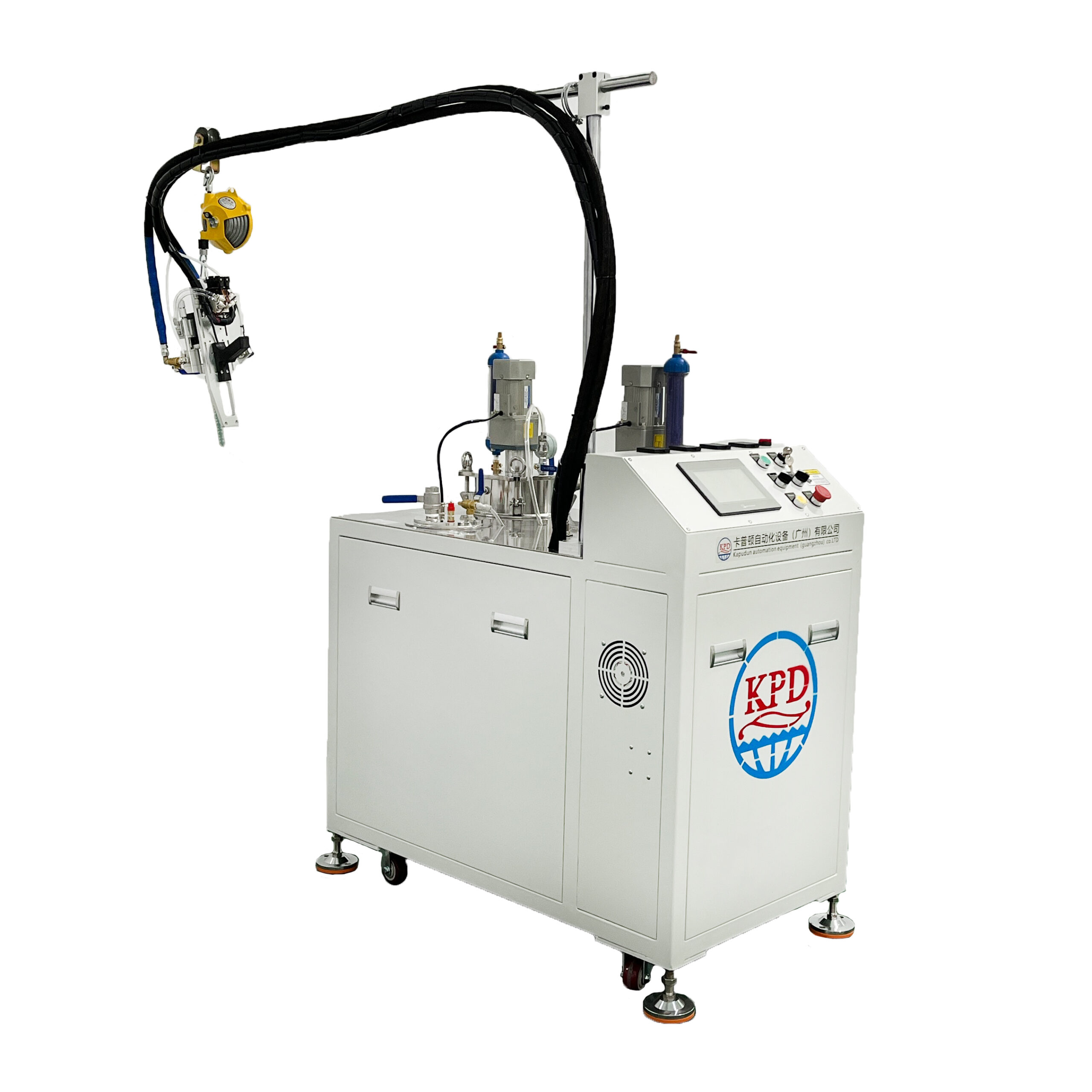
Two Components Potting Machine for Electronics: Precision and Reliability for Modern Electronic Manufacturing
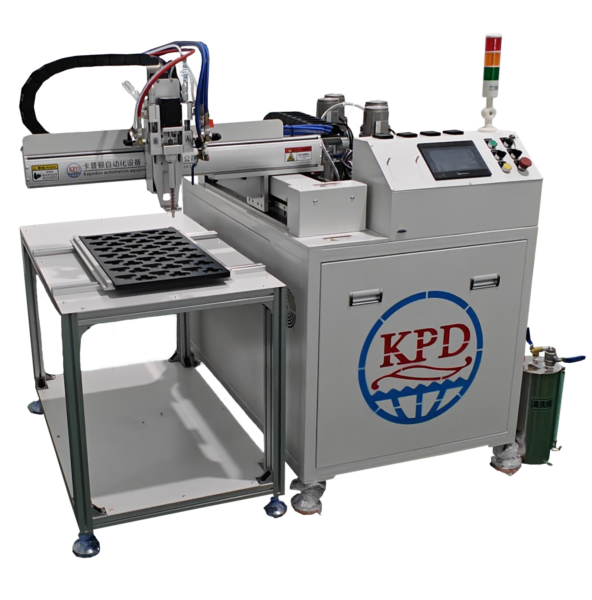
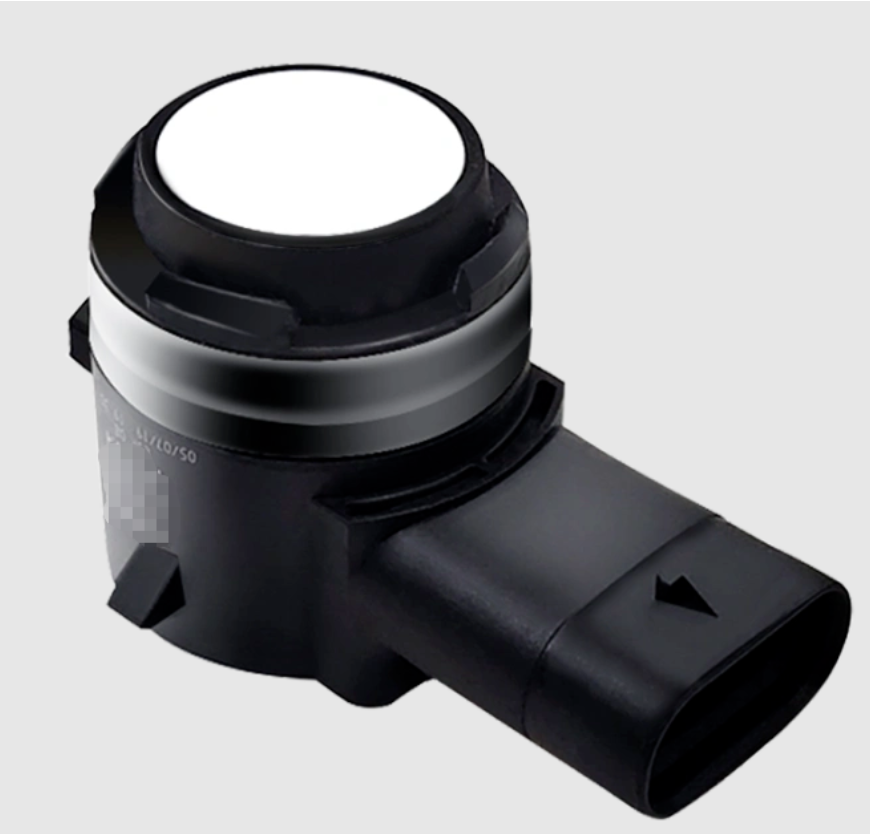
In the fast-paced world of electronic manufacturing, where miniaturization, integration, and reliability are paramount, the protection of electronic components from harsh environments has become a critical priority. From printed circuit boards (PCBs) and sensors to power modules and automotive electronics, electronic components often operate in conditions prone to moisture, dust, vibration, and temperature fluctuations. Two Components Potting Machine for Electronics has emerged as a core piece of equipment, delivering precise, uniform, and durable potting solutions that safeguard electronic components, enhance their performance, and extend their service life.
Unlike single-component potting equipment, two components (2K) potting machines are specifically designed to handle dual-component adhesives—typically consisting of a base resin and a curing agent—that require accurate mixing in a specific ratio before application. This mixing process is critical: an incorrect ratio can lead to incomplete curing, poor adhesion, and compromised protection, which directly affects the reliability of electronic products. The specialized design of 2K potting machines ensures consistent mixing precision, uniform glue application, and seamless integration into electronic manufacturing lines, addressing the strict quality standards of the electronics industry.
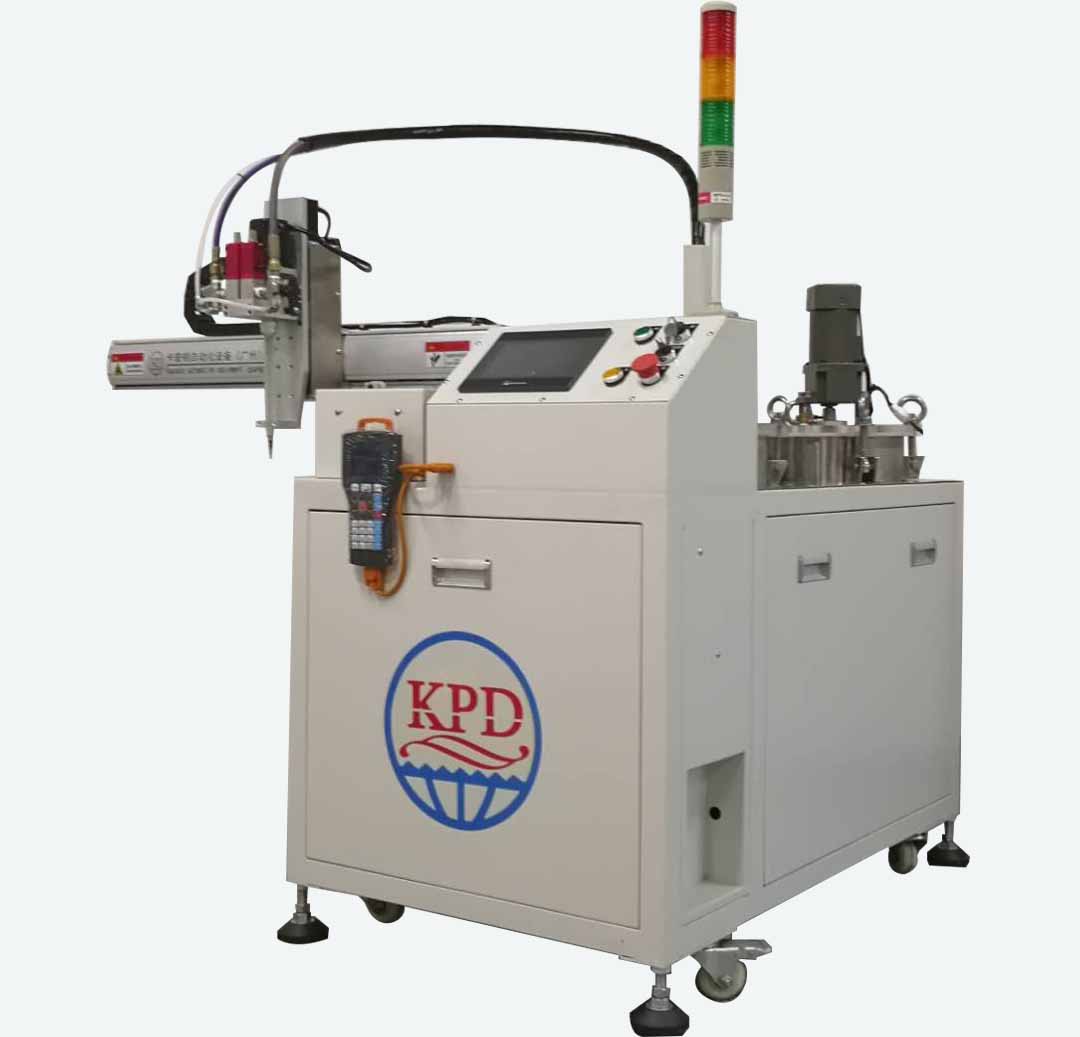
The core advantage of Two Components Potting Machine for Electronics lies in its precise ratio control and uniform mixing capability. Equipped with high-precision metering pumps and advanced mixing systems, these machines can achieve a mixing ratio accuracy of ±1%, ensuring that the base resin and curing agent are blended perfectly every time. This level of precision is essential for electronic components, as even minor deviations in the mixing ratio can result in reduced insulation performance, structural weakness, or premature component failure. The integrated static or dynamic mixing heads ensure thorough blending without generating air bubbles, a common issue that can create gaps in the potting layer and expose components to external damage.
Adaptability is another key feature that makes 2K potting machines indispensable in electronic manufacturing. The electronics industry encompasses a wide range of components, from small sensors and microchips to large power supplies and automotive electronic modules, each with unique potting requirements. Two Components Potting Machines are designed with modularity in mind, supporting adjustable mixing ratios, variable glue flow rates, and customizable potting paths. This flexibility allows manufacturers to use the same machine for multiple product types, reducing equipment investment and improving production efficiency. Additionally, these machines are compatible with a variety of two-component potting materials, including epoxy resin, silicone, and polyurethane—each tailored to specific electronic applications.
Efficiency and automation are critical in modern electronic manufacturing, and 2K potting machines are engineered to meet these demands. Equipped with CCD visual positioning systems and robotic arms, these machines can automatically identify component positions, correct for deviations, and complete potting tasks with minimal human intervention. This automation not only reduces human error but also significantly speeds up production: a high-performance 2K potting machine can complete a potting cycle in as little as 5 seconds, enabling mass production of electronic components to meet the high-volume demands of the industry. The machines also feature automatic glue supply and recovery systems, reducing material waste by up to 25% and lowering manufacturing costs.
In electronic manufacturing, the choice of potting material is closely tied to the application scenario, and 2K potting machines are designed to optimize the performance of each material. Epoxy resin, widely used for its excellent electrical insulation and mechanical strength, is ideal for PCBs and power modules. Silicone, with its superior high-temperature resistance (up to 200℃) and flexibility, is perfect for components operating in extreme temperature environments, such as automotive electronics and industrial sensors. Polyurethane, known for its good impact resistance and waterproof performance, is suitable for outdoor electronic devices. The machine’s temperature control system maintains stable fluidity of the two components, preventing premature curing and ensuring consistent potting quality across all products.
With the rapid development of smart electronics, 5G technology, and electric vehicles, the requirements for electronic component protection are becoming increasingly stringent. Miniaturized components require more precise potting, while high-voltage electronic devices demand superior insulation performance. Two Components Potting Machines are evolving to meet these challenges, with upgrades such as intelligent data monitoring and IoT connectivity. These features allow manufacturers to track real-time parameters (mixing ratio, glue flow, curing time) , ensure process traceability, and quickly adjust settings to optimize potting quality. This intelligence not only improves product reliability but also helps manufacturers comply with the strict quality standards of the global electronics industry.
In conclusion, Two Components Potting Machine for Electronics is a cornerstone of modern electronic manufacturing, providing the precision, reliability, and efficiency needed to protect sensitive electronic components. Its ability to deliver consistent mixing ratios, uniform potting, and flexible adaptation to diverse product types makes it an essential tool for electronics manufacturers. As the electronics industry continues to innovate, 2K potting machines will further integrate advanced technologies, supporting the development of smaller, more powerful, and more reliable electronic products for a wide range of applications.