How to Choose the Right 2K Adhesive Dispenser for High-Viscosity Glues: A Step-by-Step Guide by KPD
In modern manufacturing, two-component (2K) adhesives have become indispensable for their exceptional bonding strength, chemical resistance, and durability. However, dispensing high-viscosity 2K glues accurately and consistently presents significant technical challenges. The right adhesive dispenser can mean the difference between production efficiency and costly material waste. This comprehensive guide walks you through the critical steps to select the optimal 2K adhesive dispenser for your high-viscosity applications, including specialized solutions for LED, filter, and sensor manufacturing.
Step 1: Understand Your 2K Adhesive Characteristics
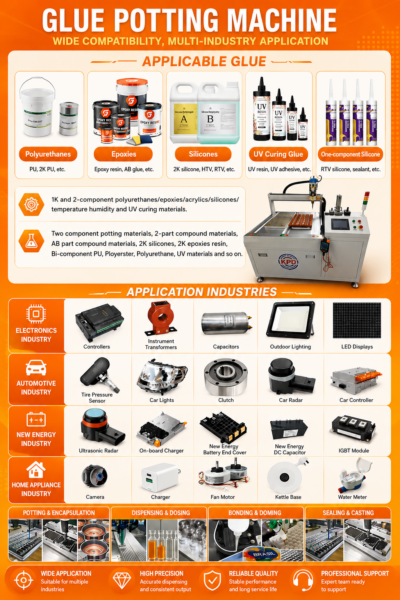
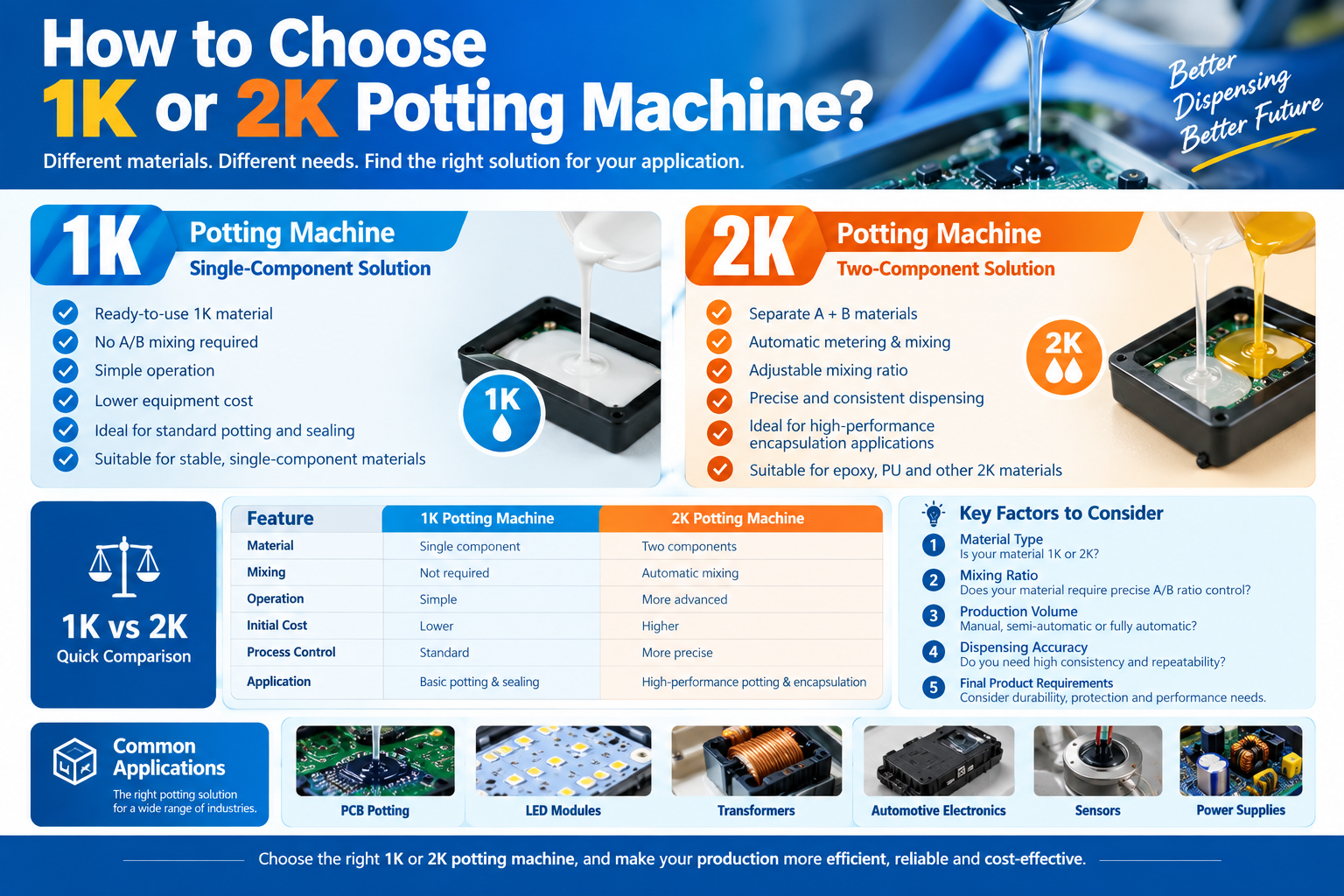
Before evaluating equipment options, thoroughly analyze your adhesive’s physical properties. High-viscosity 2K materials typically range from 10,000 to over 1,000,000 CPS (centipoise) and include epoxies, polyurethanes, and silicones. Key parameters to document include: precise mixing ratio (e.g., 1:1, 2:1, 4:1, or 10:1), pot life or working time, cure mechanism, and filler content. Highly filled materials with abrasive additives require specialized wear-resistant pump components. For example, thermally conductive adhesives used in sensor dispenser systems often contain ceramic fillers that demand hardened stainless steel or carbide wetted parts.
Step 2: Evaluate Pump Technology and Metering Accuracy
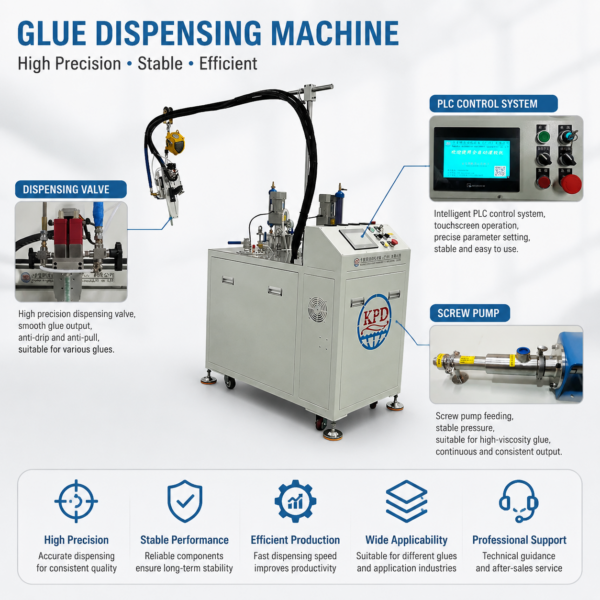
The pumping system forms the heart of any 2K dispenser. For high-viscosity materials, positive displacement systems are non-negotiable. Progressive cavity pumps excel with extremely thick, paste-like materials and maintain consistent flow rates regardless of viscosity fluctuations. Piston pumps offer exceptional volumetric accuracy for medium-to-high viscosity applications, making them ideal for led glue dispenser systems where precise bead placement on delicate LED chips is critical. Follow plate systems are essential for transferring high-viscosity materials directly from original containers, preventing air entrainment that can ruin dispense quality. Look for systems offering ±1% metering accuracy or better to ensure consistent mixing ratios and cured material properties.
Step 3: Match Dispensing Technology to Specific Applications
Different manufacturing sectors require specialized dispensing approaches. In led glue dispenser applications, the system must deliver micro-precision deposits while protecting sensitive LED components from contamination. Look for systems with needle dispensing capabilities, programmable shot sizes as small as 0.001 mL, and integrated vision alignment for accurate placement on LED packages and COB (Chip-on-Board) assemblies.
For filter glue dispenser systems used in HEPA filter manufacturing and automotive filtration products, the requirements shift dramatically. These applications demand continuous bead dispensing along large filter frames, often with highly viscous polyurethane sealants. The ideal system should handle high flow rates up to 500 mL/minute, maintain consistent bead profiles across lengthy dispense paths, and feature robust gantry systems capable of handling large filter dimensions up to 2 meters.
Sensor dispenser applications represent the pinnacle of precision requirements. Whether manufacturing automotive TPMS sensors, pressure sensors, or optical sensors, these components demand ultra-precise encapsulation with zero voids. Vacuum potting capabilities become essential here, as they eliminate trapped air bubbles that could compromise sensor performance. Look for systems offering programmable dispense profiles, integrated vacuum chambers, and closed-loop process monitoring to ensure every sensor receives identical material volumes.
Step 4: Assess Mixing and Material Handling Capabilities
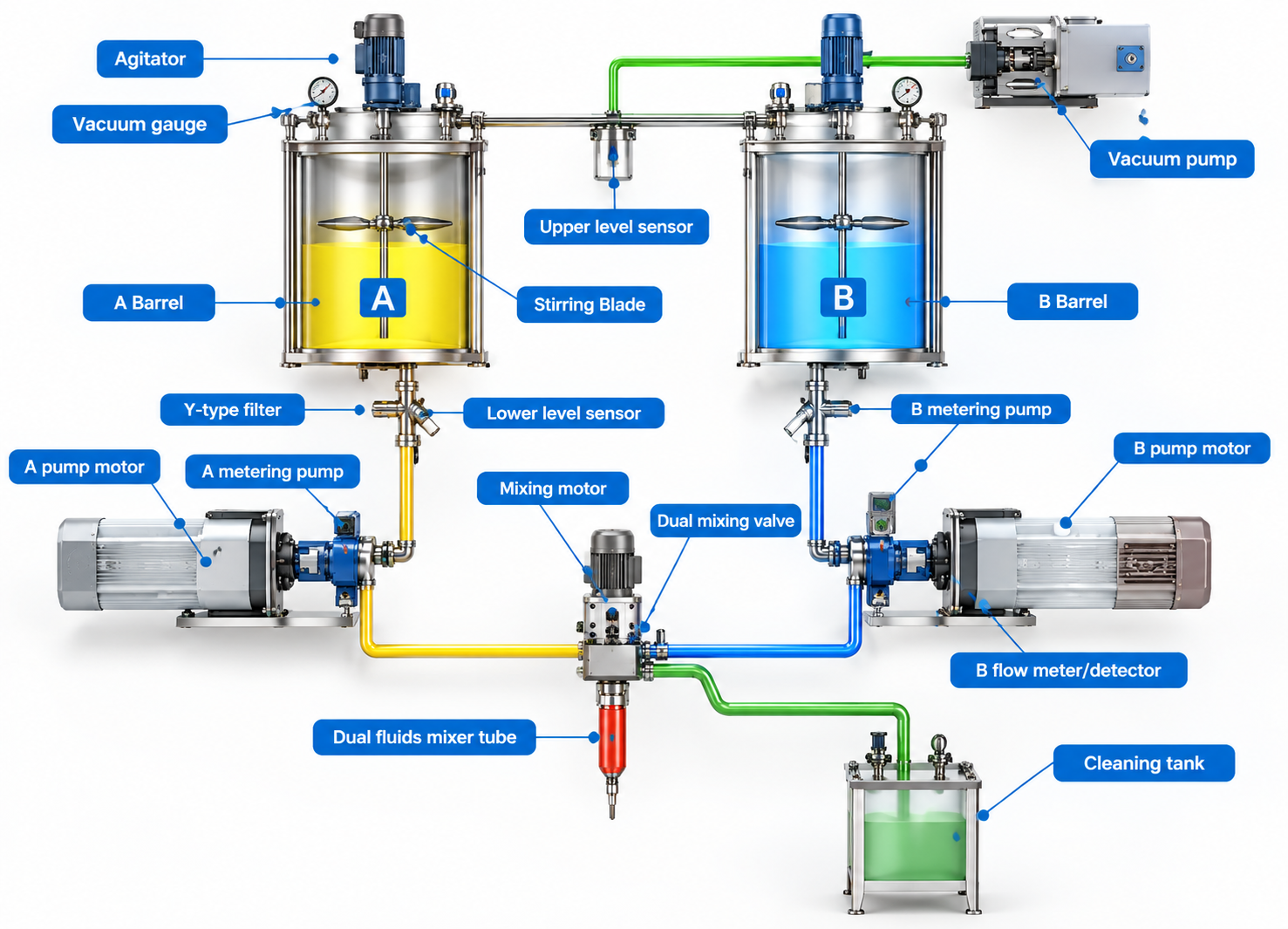
Proper mixing is critical for 2K adhesive performance. Static mixers work well for straightforward mixing ratios but may require frequent replacement with highly reactive materials. Dynamic mixers with rotating elements provide superior homogenization for difficult-to-mix formulations and high viscosity differentials between components. Consider material temperature control systems—high-viscosity materials often benefit from gentle heating to reduce viscosity and improve flow consistency without triggering premature curing. Automated material level monitoring and refill systems prevent production interruptions, especially in high-volume manufacturing environments.
Step 5: Evaluate Automation Integration and Process Control
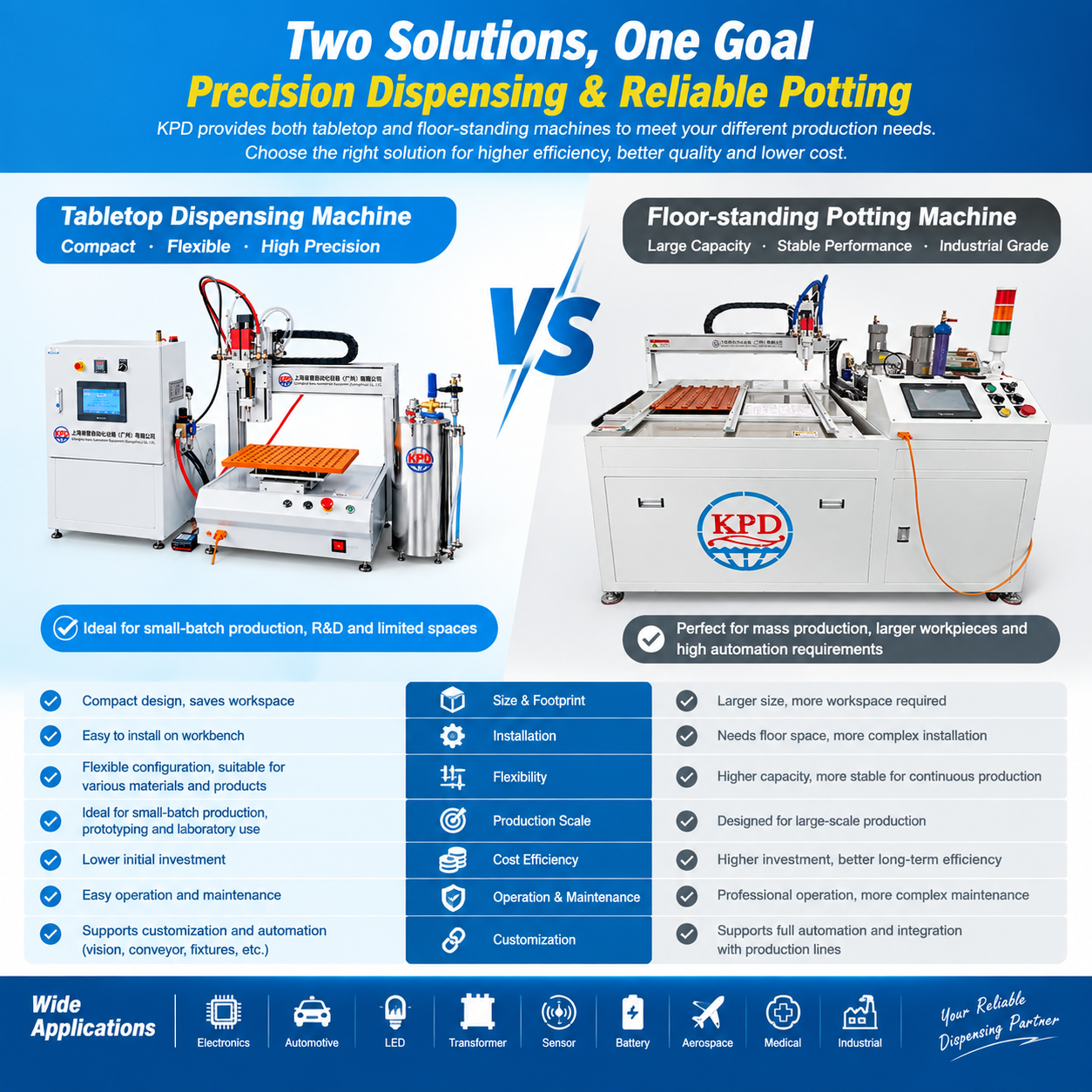
Modern manufacturing demands seamless automation integration. Your 2K dispenser should offer standard industrial communication protocols (EtherNet/IP, PROFINET, Modbus) for easy PLC integration. Advanced features like closed-loop flow monitoring automatically compensate for viscosity changes, material aging, and ambient temperature fluctuations. Recipe management systems allow storing multiple parameter sets for different products, enabling quick changeovers between led glue dispenser, filter glue dispenser, and sensor dispenser applications on the same production line. Consider systems with data logging capabilities for quality traceability, essential for automotive and medical device manufacturing compliance.
Step 6: Select the Right Partner for Long-Term Success
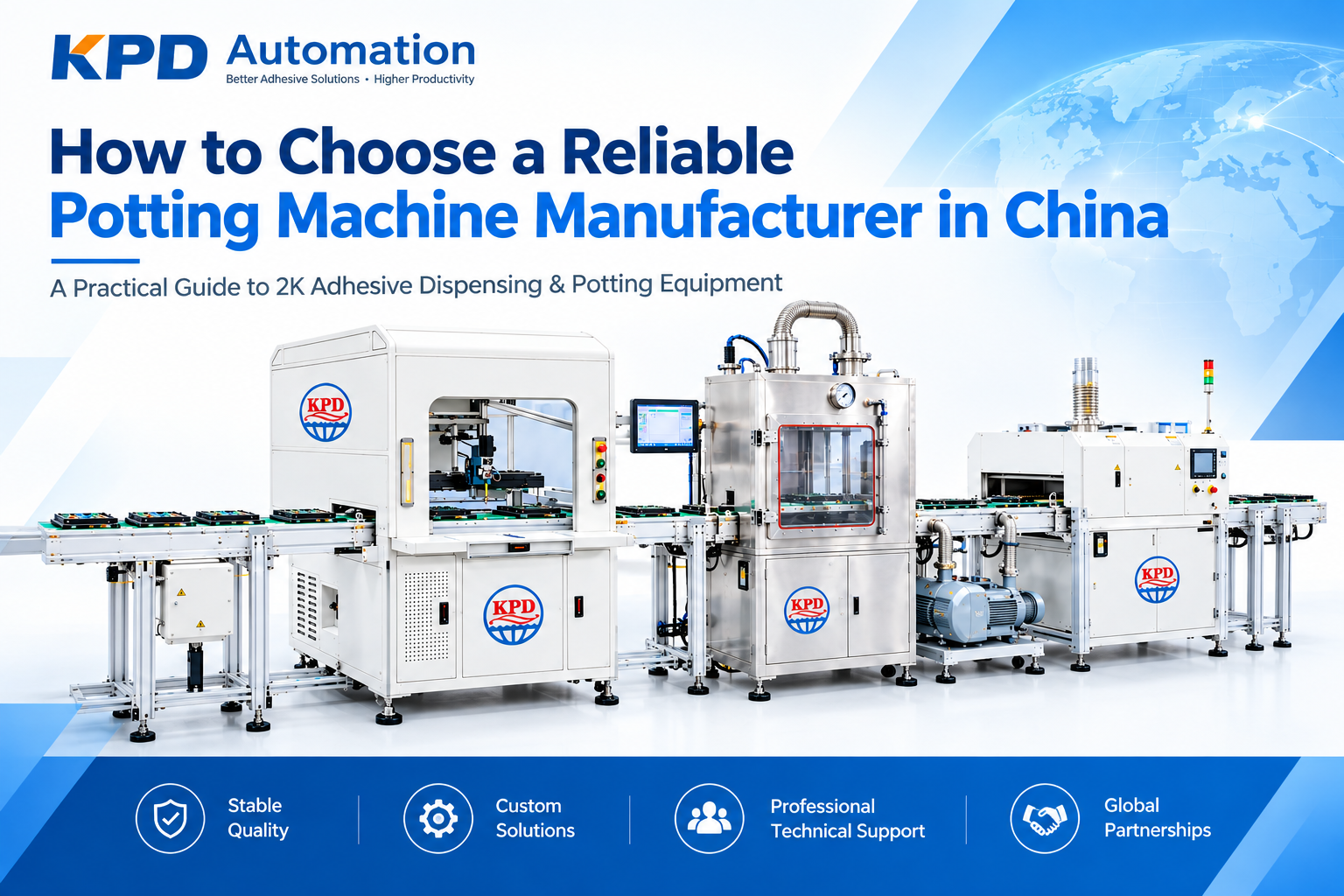
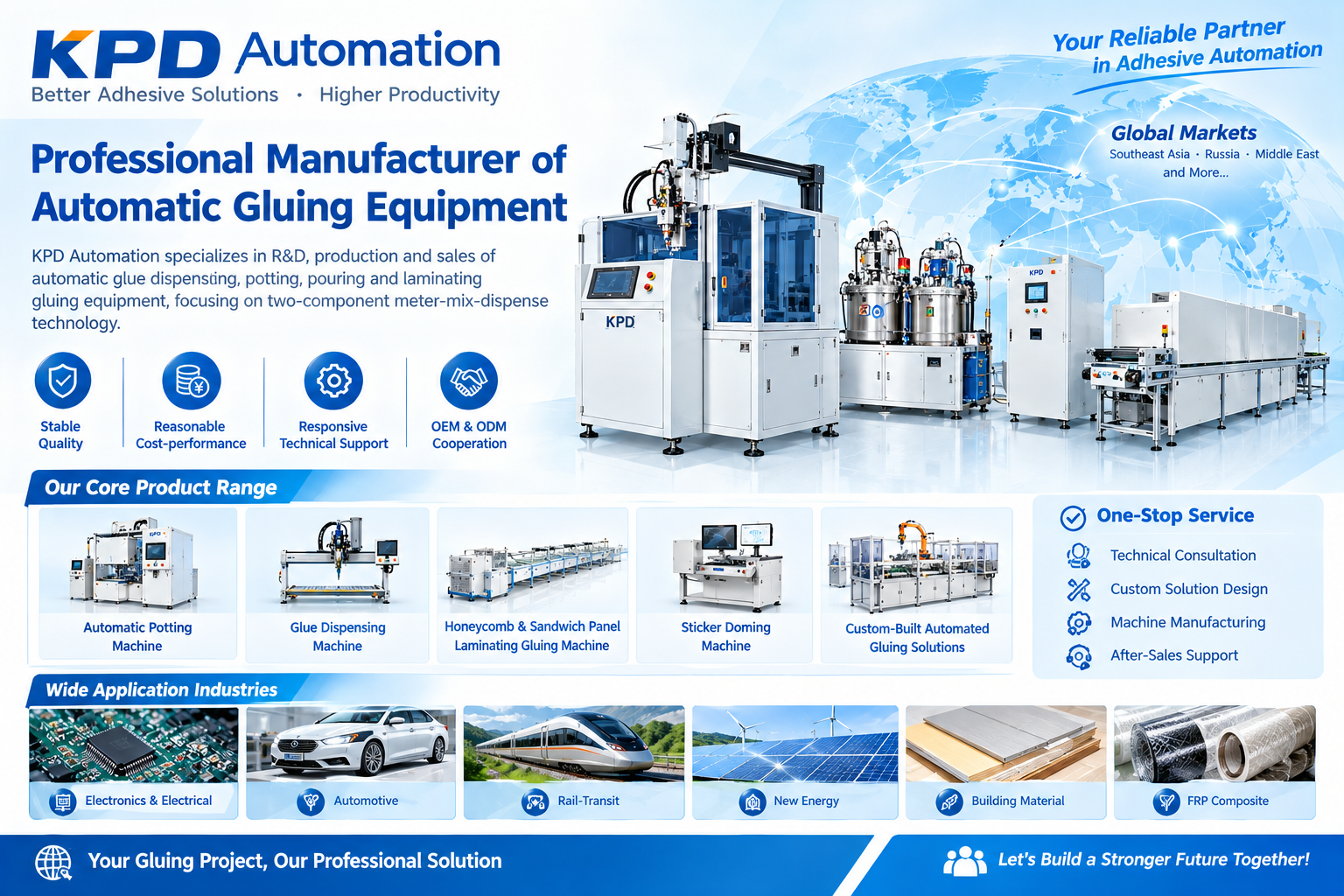
Technical capability alone isn’t sufficient—choose a manufacturer with proven expertise in your specific application area. KPD brings decades of experience designing 2K dispensing solutions for the electronics, filtration, and sensor industries. Our systems are engineered to handle the most challenging high-viscosity materials, with dedicated configurations optimized for LED encapsulation, filter assembly, and sensor potting applications. We provide comprehensive process validation, material compatibility testing, and global technical support to ensure your dispensing solution delivers consistent performance throughout its lifecycle.
Conclusion: The KPD Advantage
Selecting the right 2K adhesive dispenser for high-viscosity applications requires careful consideration of material properties, application-specific requirements, and long-term production needs. Whether you need a precision led glue dispenser for microelectronics, a robust filter glue dispenser for large-scale filtration manufacturing, or an advanced sensor dispenser for critical automotive components, KPD offers tailored solutions that combine accuracy, reliability, and process flexibility. By following this step-by-step approach and partnering with an experienced dispensing technology provider, you can achieve consistent adhesive application, reduce material waste, and maximize production efficiency in your manufacturing operations.