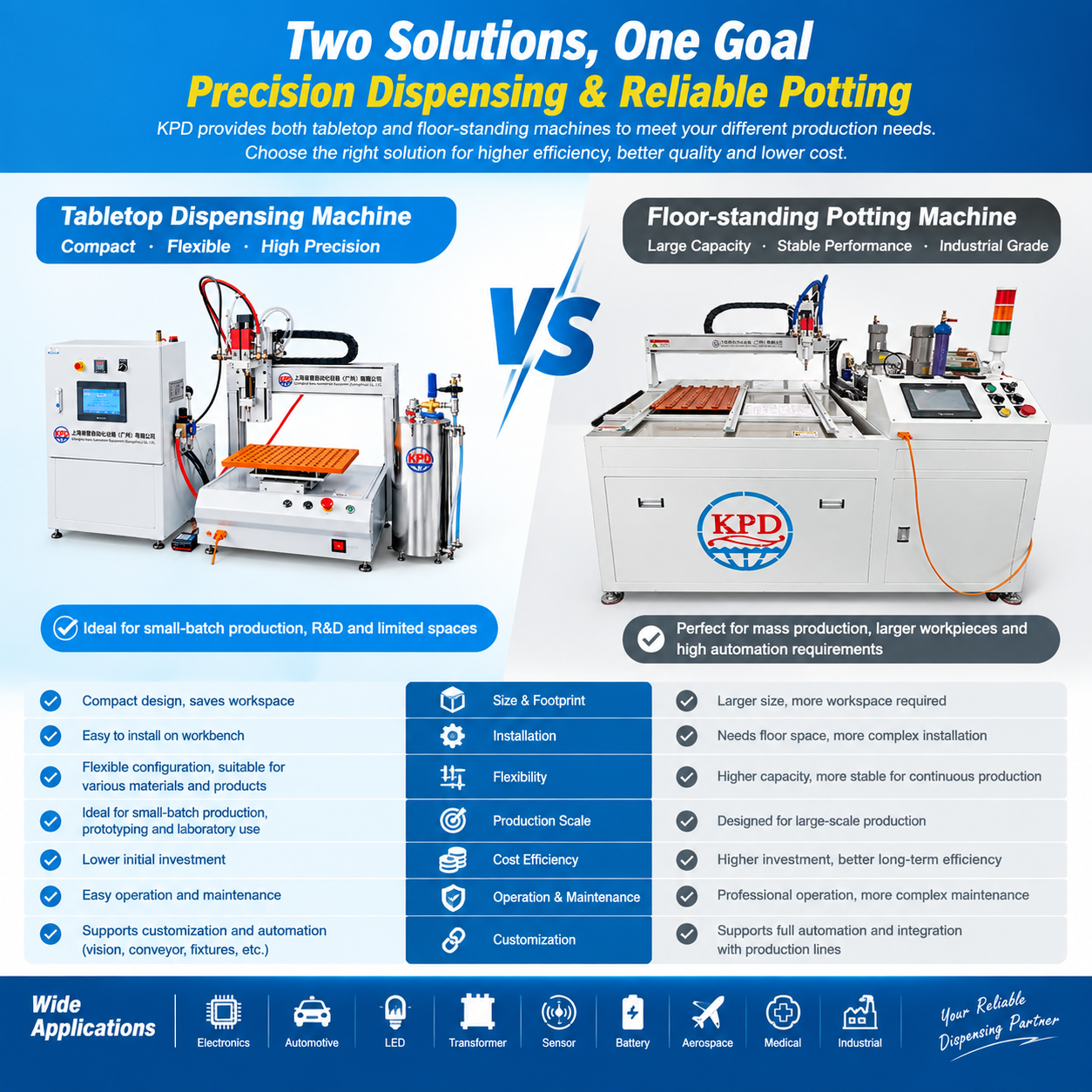
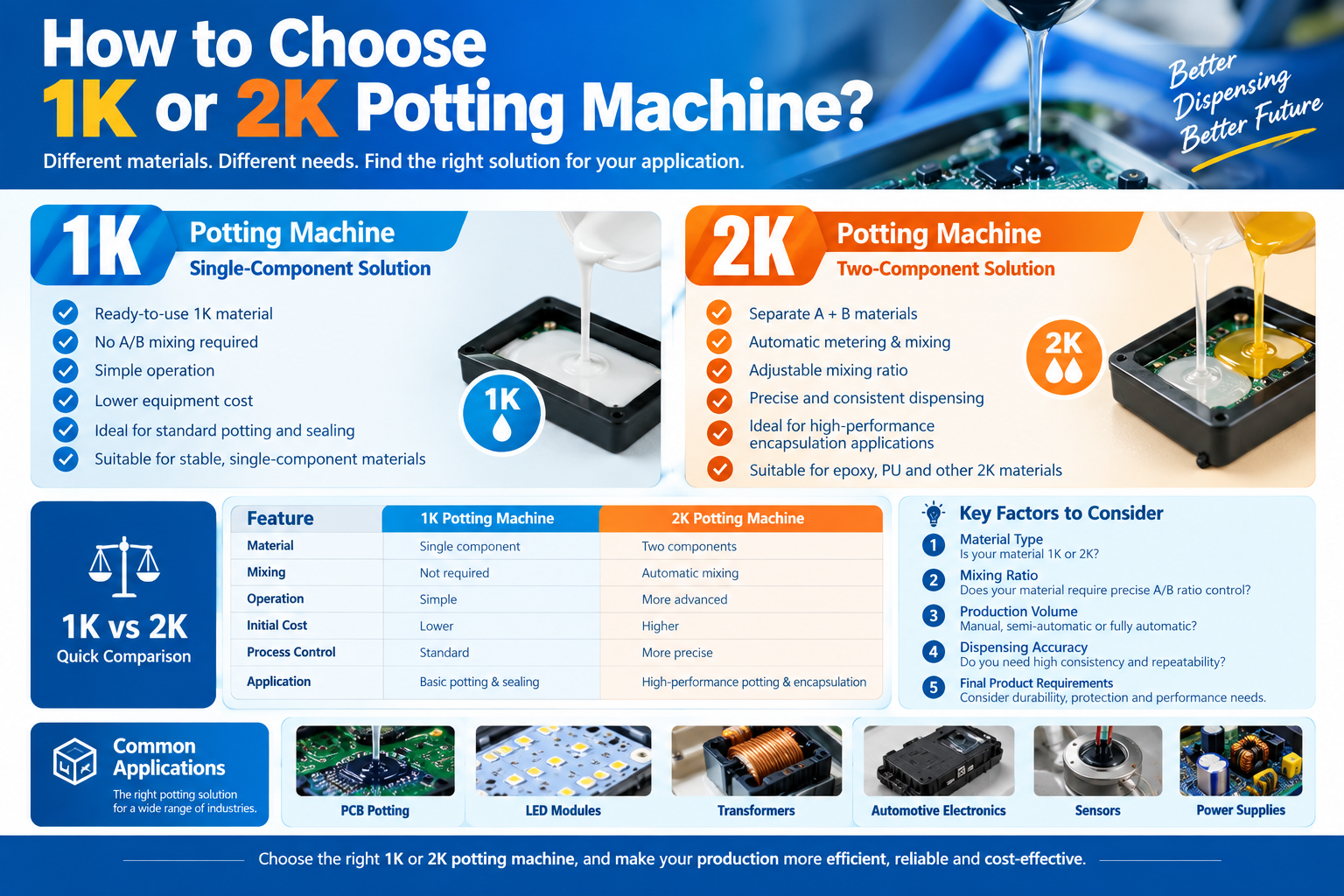
In the fast-paced world of industrial manufacturing, precision, efficiency, and consistency are the cornerstones of success—especially when it comes to adhesive application. For businesses working with two-component (2K) epoxy resins, the epoxy dispenser AB glue filling machine has become an indispensable tool, revolutionizing how industries handle potting, encapsulation, and filling tasks. This guide delves into everything you need to know about this equipment, from its core functionality and types to its key benefits, applications, and how to choose the right model for your needs.
What Is an Epoxy Dispenser AB Glue Filling Machine?
An epoxy dispenser AB glue filling machine is a specialized industrial device designed to accurately mix and dispense two-component adhesives—commonly referred to as AB glue, where Component A is the epoxy resin and Component B is the curing agent. Unlike manual application methods, this machine ensures precise control over the mixing ratio, flow rate, and application pattern, eliminating human error and ensuring consistent results across every production run.
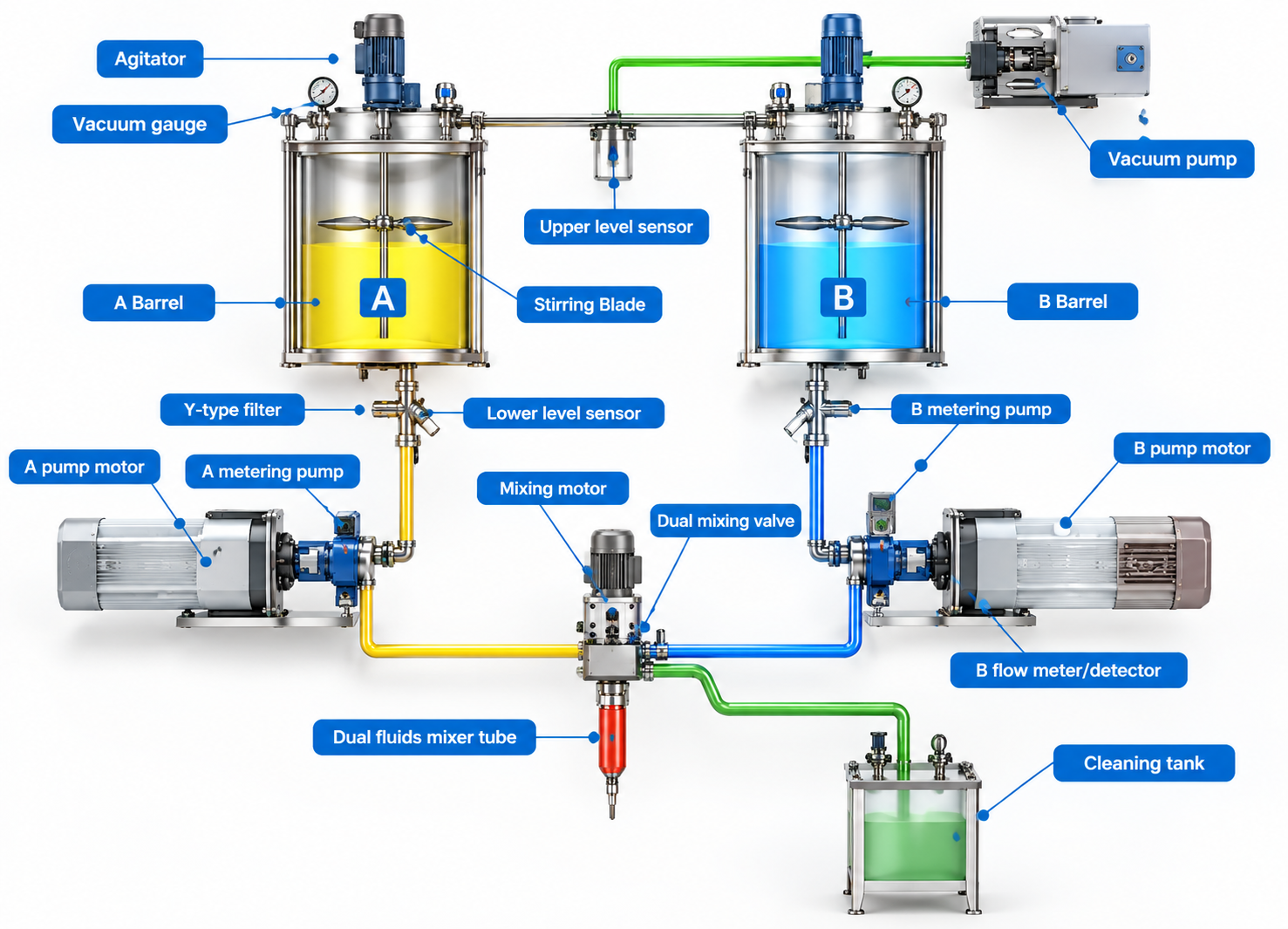
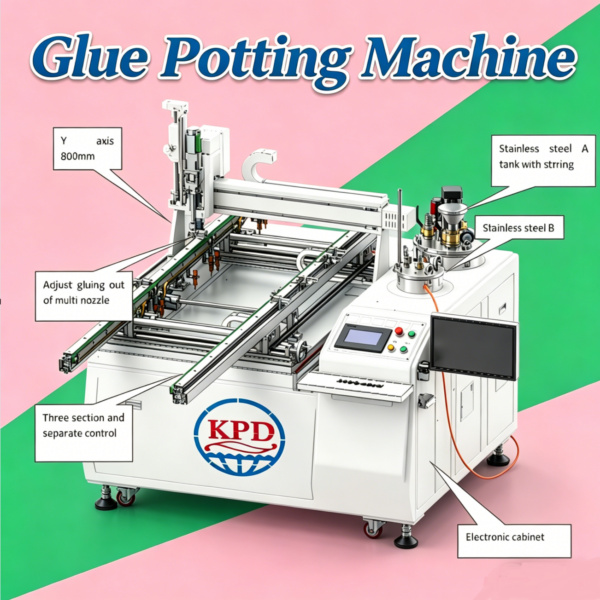
At its core, the machine consists of separate reservoirs for each component, a precision mixing system (static or dynamic), a dispensing mechanism (nozzle, gun, or robotic arm), and a control system to regulate parameters. The goal is to deliver a perfectly mixed epoxy adhesive to the exact location, whether for potting electronic components, bonding parts, or encapsulating sensitive devices.
Types of Epoxy Dispenser AB Glue Filling Machines
Epoxy dispensers come in various types, each tailored to different production scales, precision requirements, and application scenarios. Understanding the differences helps businesses select the optimal equipment for their operations:
1. Manual Epoxy Dispenser
The simplest and most cost-effective option, manual dispensers are hand-operated devices typically featuring a plunger-driven cartridge holder. They are ideal for small-scale applications, low-volume production, or tasks that require frequent adhesive changes. While flexible and affordable, manual dispensers lack the precision and efficiency of automated models, making them best suited for projects with less strict quality requirements.
2. Pneumatic Epoxy Dispenser
Powered by compressed air, pneumatic dispensers use air pressure to push AB glue components through a static mixer, where they combine before being dispensed. These machines are portable, versatile, and suitable for small to medium-scale applications. They excel in scenarios where electricity is limited and can handle frequent component changes, making them a popular choice for workshops and small manufacturing facilities.
3. Semi-Automatic Epoxy Dispenser
Semi-automatic models combine manual loading with automated mixing and dispensing. They feature a control system to adjust mixing ratios (typically 1:1 to 10:1, adjustable) and flow rates, ensuring consistent results without full automation. These machines are ideal for medium-volume production, such as LED module potting or sensor encapsulation, and require minimal operator training.
4. Automatic & Robotic Epoxy Dispenser
The most advanced option, automatic and robotic dispensers are equipped with CNC 3-axis or 6-axis motion control systems, allowing for precise, programmable application patterns (points, lines, arcs, or 3D paths). They integrate seamlessly with production lines, supporting continuous high-volume production with minimal human intervention. Robotic models, in particular, offer unmatched precision and repeatability, making them ideal for complex tasks like electronic component encapsulation or automotive part bonding.
5. Vacuum Epoxy Dispenser
Designed for high-precision applications where bubble-free potting is critical (e.g., high-voltage electronic components), vacuum dispensers remove air bubbles from the epoxy mixture before dispensing. They feature vacuum degassing tanks and sealed mixing systems, ensuring the adhesive is free of air pockets that could compromise product integrity. These machines are commonly used in the electronics and medical device industries.
Key Features & Benefits of Epoxy Dispenser AB Glue Filling Machines
Investing in an epoxy dispenser AB glue filling machine offers numerous advantages over manual or outdated methods, directly impacting production efficiency, product quality, and cost savings:
Precision & Consistency
The biggest advantage of these machines is their ability to deliver consistent mixing ratios and dispensing volumes, with precision levels as high as ±1–2%. This eliminates human error, ensuring every product meets the same quality standards and reducing waste from over-dispensing or improper mixing.
Increased Efficiency
Automated and semi-automatic models can dispense epoxy 3–5 times faster than manual operation, significantly boosting production capacity. Robotic dispensers, in particular, can operate 24/7 with minimal downtime, making them ideal for high-volume manufacturing lines.
Cost Savings
By reducing adhesive waste, minimizing rework, and lowering labor costs (fewer operators needed), epoxy dispensers deliver long-term cost savings. Additionally, modular designs and customizable features mean businesses can adapt the machine to changing production needs, extending its lifespan.
Versatility
Most epoxy dispensers can handle a wide range of AB glue viscosities and mixing ratios (1:1 to 10:1, adjustable), making them suitable for diverse applications. They can be equipped with different nozzles or dispensing heads to accommodate various product sizes and shapes, from small electronic components to large industrial parts.
User-Friendly Operation
Modern dispensers feature intuitive touchscreen HMIs (Human-Machine Interfaces) for easy programming and parameter adjustment. Operators can save custom programs for different products, reducing setup time and training requirements. Even complex robotic models are designed with user-friendly controls to ensure seamless operation.
Durability & Low Maintenance
Constructed with high-quality materials (e.g., stainless steel bodies, corrosion-resistant components), epoxy dispensers are built to withstand harsh industrial environments. Regular maintenance—such as cleaning nozzles and checking fluid levels—is simple, minimizing downtime and extending the machine’s service life.
Common Applications of Epoxy Dispenser AB Glue Filling Machines
Epoxy dispensers are used across a wide range of industries, where precise adhesive application is critical. Some of the most common applications include:
1. Electronics Industry
The electronics industry is the largest user of epoxy dispensers, using them for potting and encapsulating LED modules, transformers, sensors, PCB boards, capacitors, and connectors. The machines ensure these sensitive components are protected from moisture, dust, vibration, and temperature changes, extending their lifespan and reliability.
2. Automotive Industry
In automotive manufacturing, epoxy dispensers are used for bonding and sealing automotive electronic components, sensors, wiring harnesses, and battery modules. They ensure strong, durable bonds that withstand extreme temperatures and harsh road conditions, improving vehicle safety and performance.
3. New Energy Industry
For solar panels, battery packs, and power modules, epoxy dispensers provide precise potting to protect sensitive components from environmental damage. They also ensure thermal conductivity and electrical insulation, critical for the efficiency and safety of new energy products.
4. Medical Device Industry
Medical devices—such as输液 pumps, portable检测仪, and surgical instruments—require biocompatible epoxy bonding and sealing. Epoxy dispensers ensure precise, sterile application that meets ISO 10993 standards, protecting patients and ensuring device reliability.
5. Other Industries
Epoxy dispensers are also used in the aerospace, consumer electronics (TWS headphones, smart watches), industrial machinery, and construction industries. They are ideal for any application that requires strong, precise, and consistent adhesive bonding or encapsulation.
How to Choose the Right Epoxy Dispenser AB Glue Filling Machine
Selecting the right epoxy dispenser depends on your specific production needs, budget, and application requirements. Here are key factors to consider:
1. Production Volume
For small-scale, low-volume production (e.g., prototyping, small batches), a manual or pneumatic dispenser is sufficient. For medium to high-volume production, opt for a semi-automatic or automatic/robotic model to maximize efficiency.
2. Precision Requirements
If your application requires bubble-free potting or ultra-precise dispensing (e.g., microelectronics), a vacuum epoxy dispenser or robotic model is essential. For less strict applications, a standard semi-automatic machine may be sufficient.
3. Adhesive Properties
Consider the viscosity of your AB glue and the required mixing ratio. Ensure the machine can handle your adhesive’s viscosity (low to high) and adjust to your desired mixing ratio (1:1 to 10:1 or custom).
4. Application Complexity
For simple, linear dispensing tasks, a basic semi-automatic machine works. For complex 3D patterns or multi-point dispensing, a robotic dispenser with CNC motion control is necessary.
5. Budget & After-Sales Support
Set a budget that aligns with your production needs—manual machines are the most affordable, while robotic models are the most expensive. Additionally, choose a supplier with reliable after-sales support, including installation guidance, operator training, and spare parts availability.
Maintenance Tips for Long-Term Performance
To ensure your epoxy dispenser AB glue filling machine operates at peak performance for years, follow these maintenance tips:
-
Clean the mixing nozzle and dispensing head immediately after use to prevent adhesive buildup and clogging.
-
Check fluid levels in the AB glue reservoirs regularly to avoid running out of material mid-production.
-
Inspect hoses, valves, and seals for leaks or wear, and replace them as needed to maintain precision.
-
Use an air compressor dryer or moisture separator for pneumatic machines to prevent moisture from entering the system.
-
Calibrate the machine regularly to ensure accurate mixing ratios and dispensing volumes.
-
Store the machine in a clean, dry environment to avoid corrosion and damage to electronic components.
Conclusion
The epoxy dispenser AB glue filling machine is a game-changer for industrial manufacturing, offering precision, efficiency, and consistency that manual methods simply cannot match. Whether you’re in the electronics, automotive, new energy, or medical device industry, this equipment can streamline your production process, reduce costs, and improve product quality.
By understanding the different types of dispensers, their key features, and how to choose the right model for your needs, you can make an informed investment that drives long-term success. With proper maintenance and the right supplier support, your epoxy dispenser will become a reliable workhorse in your production line, helping you stay competitive in today’s fast-paced industrial landscape.