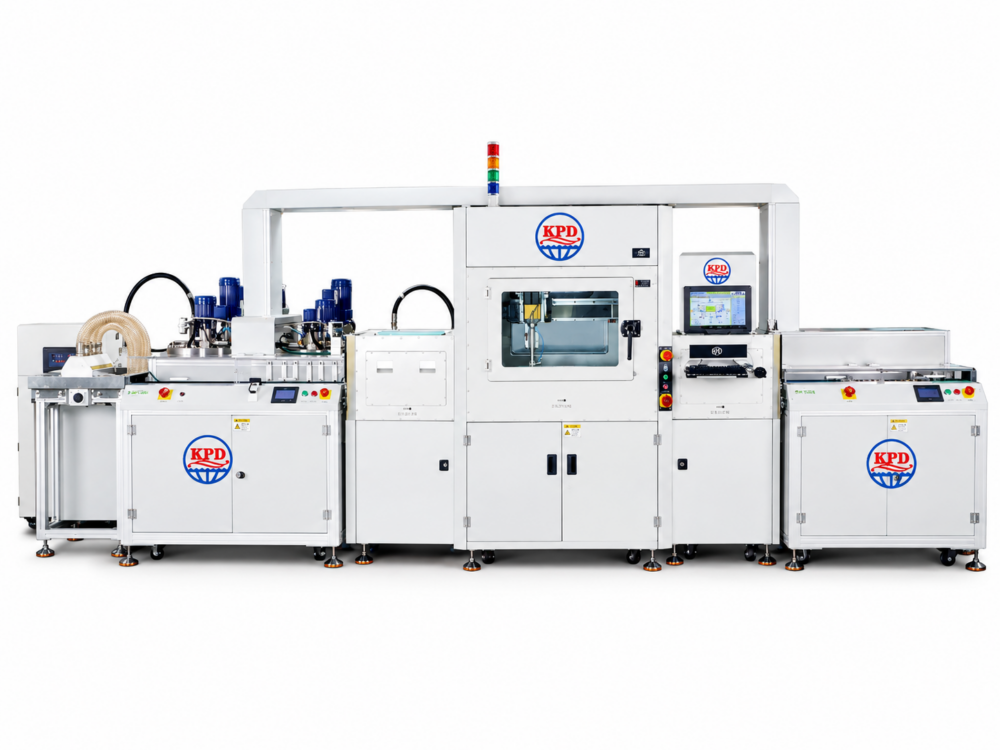
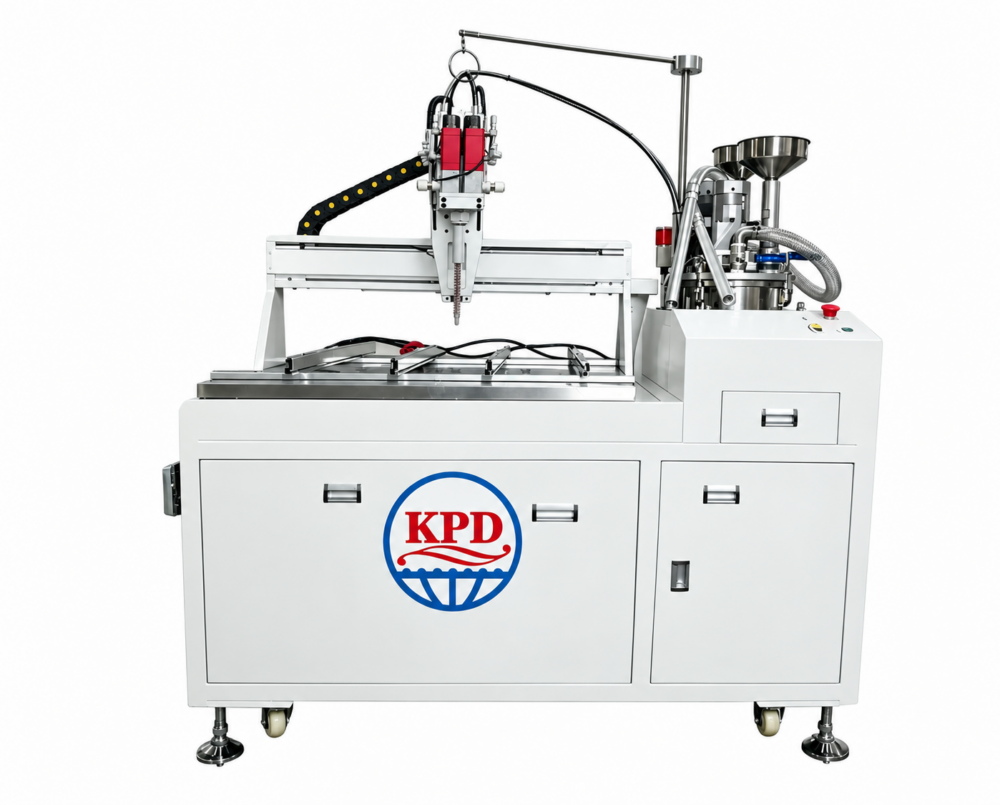
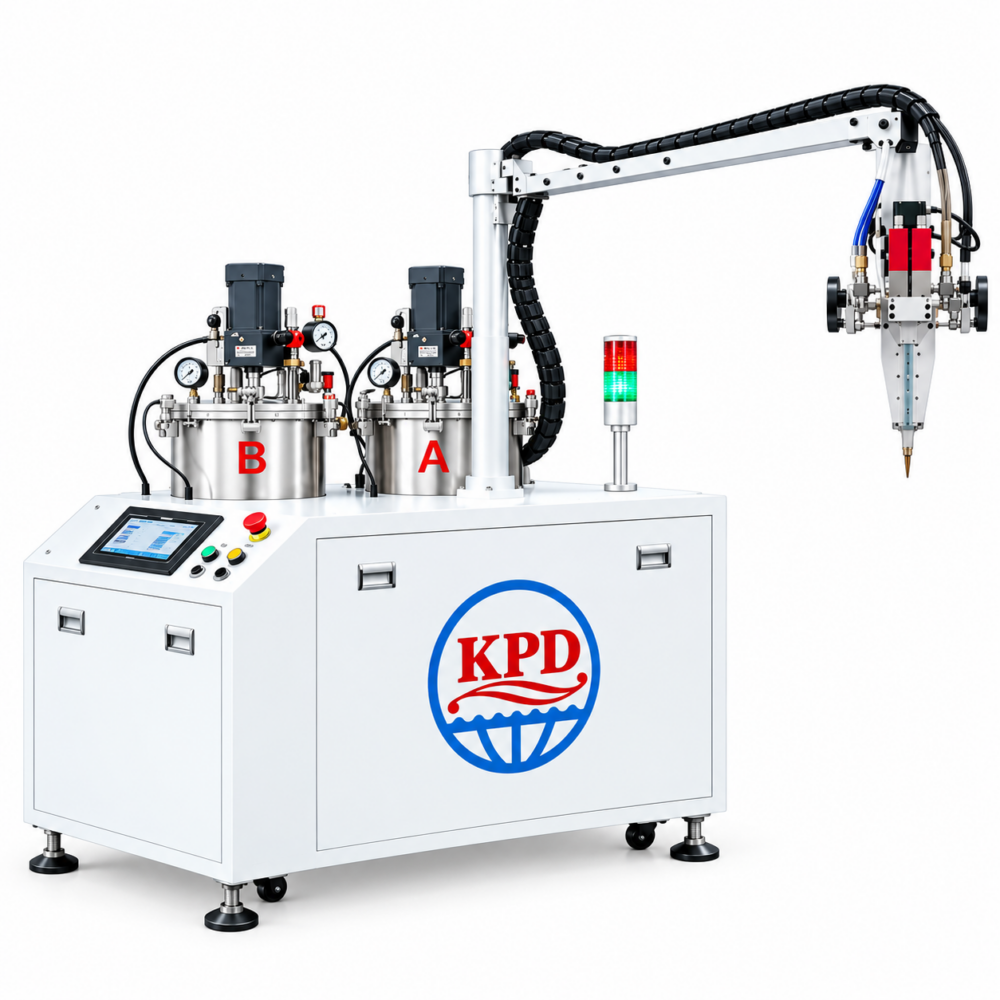
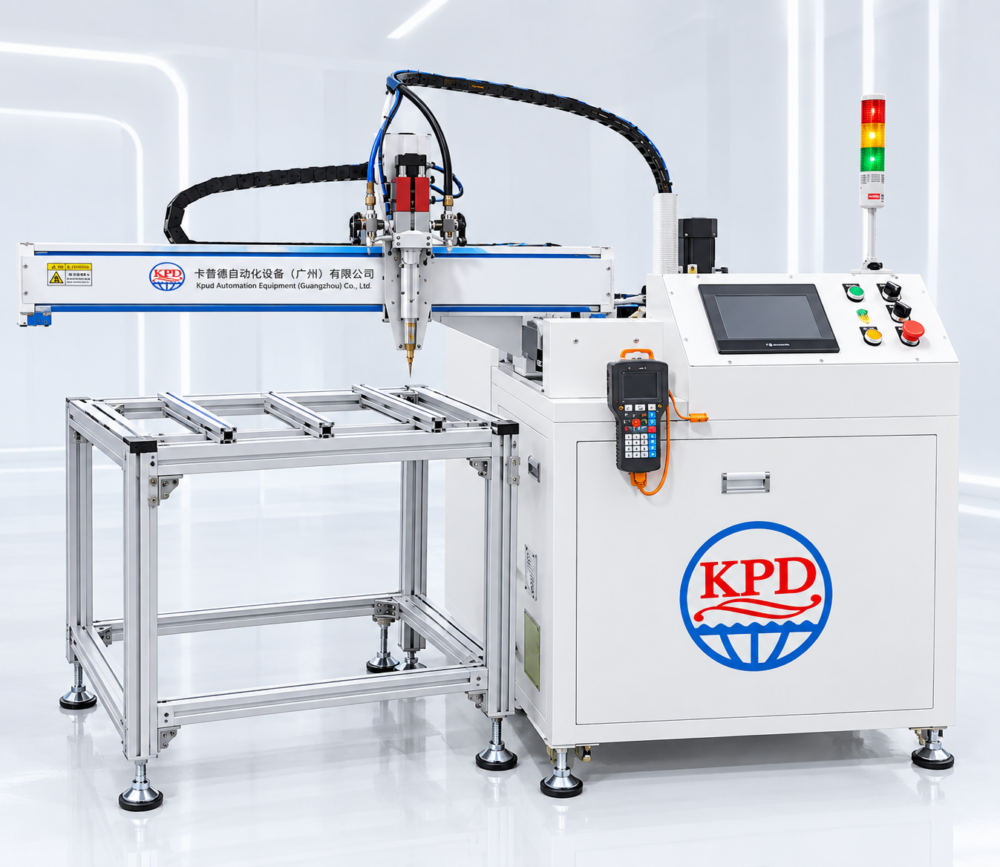
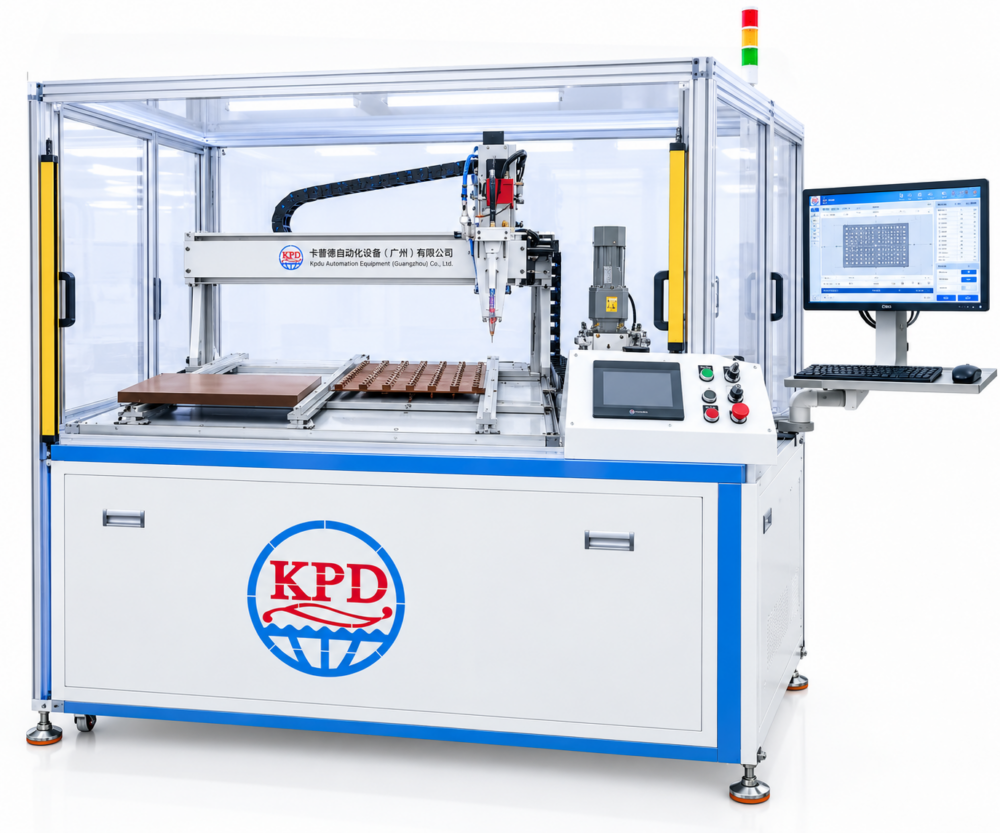
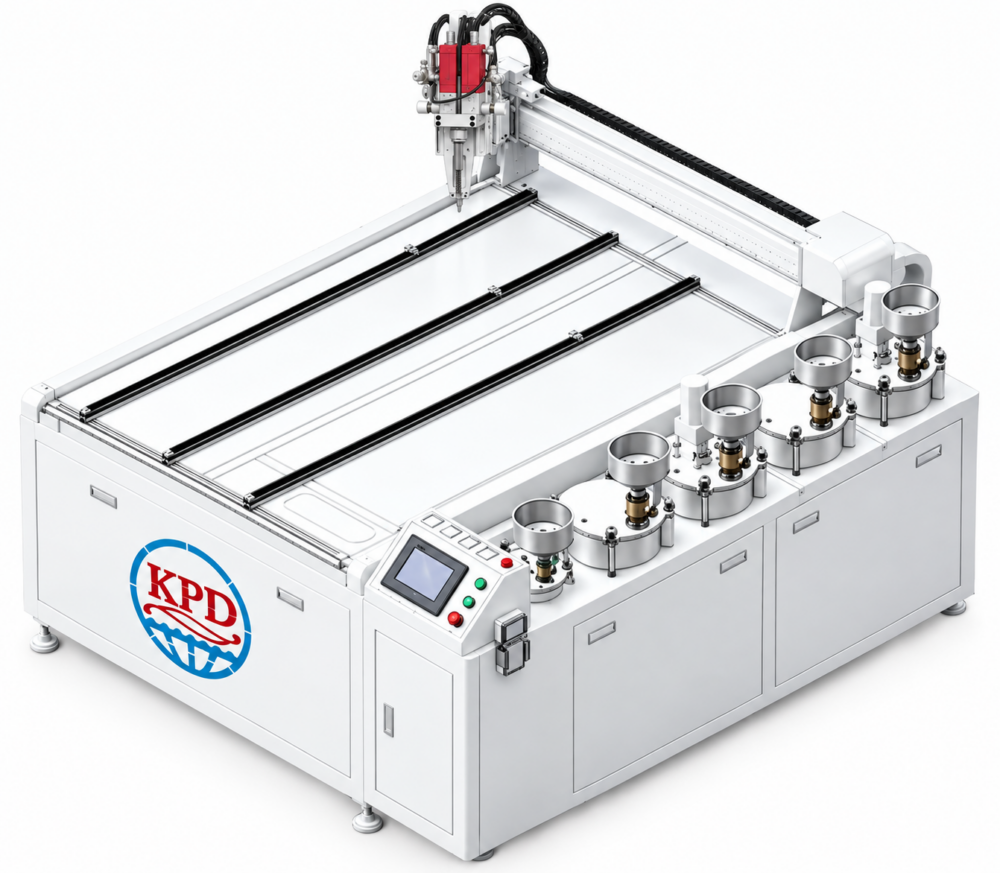
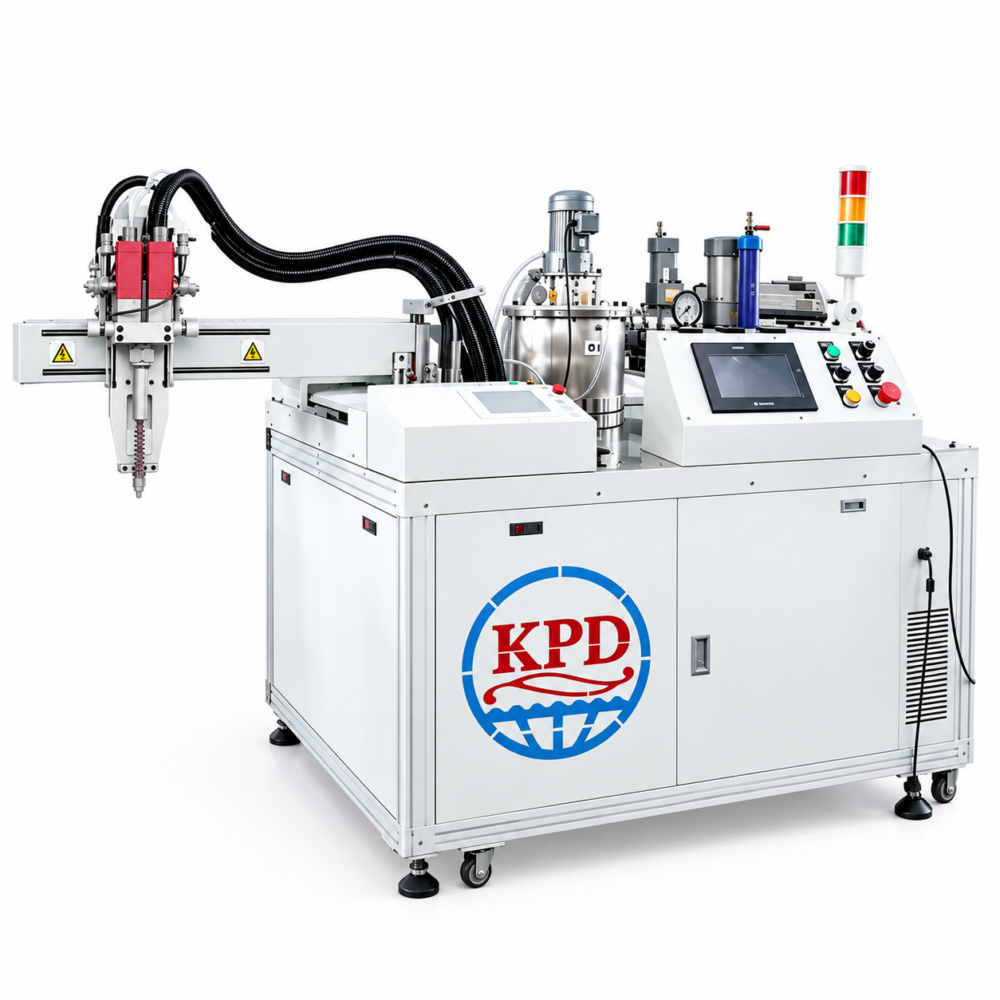
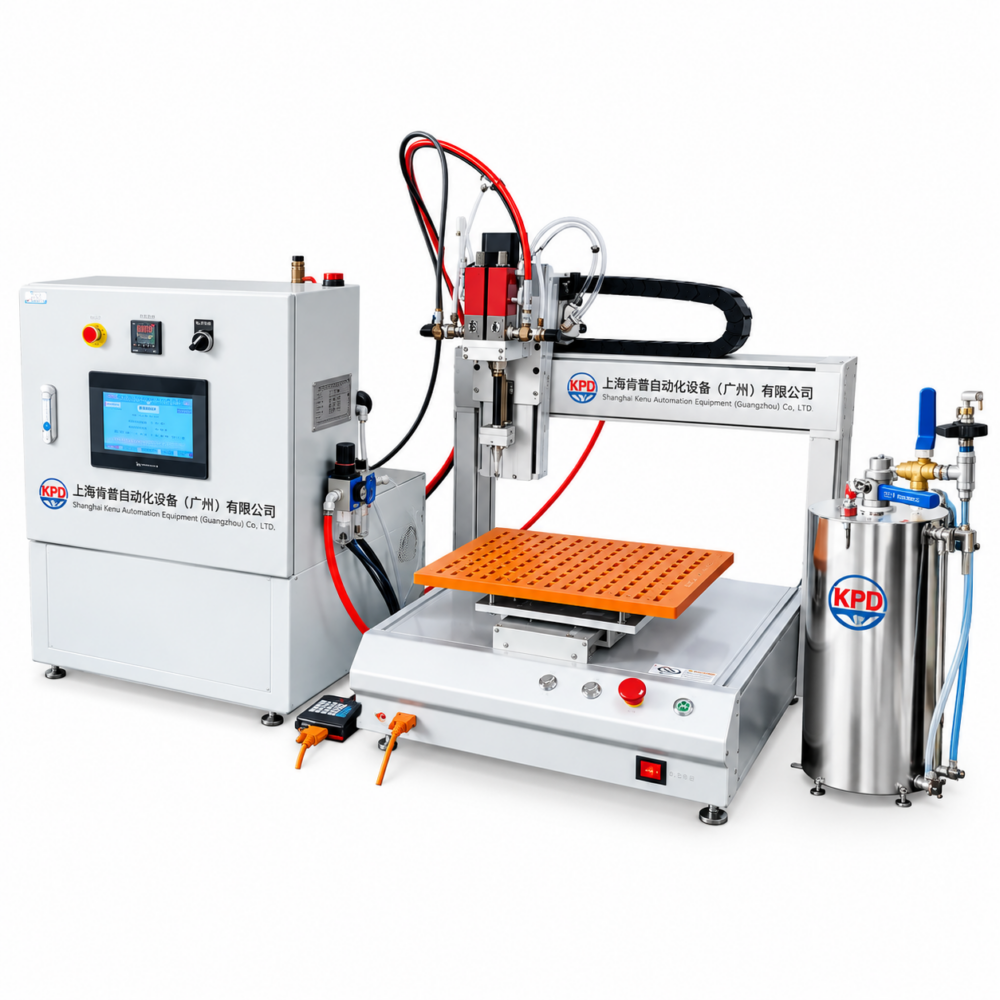
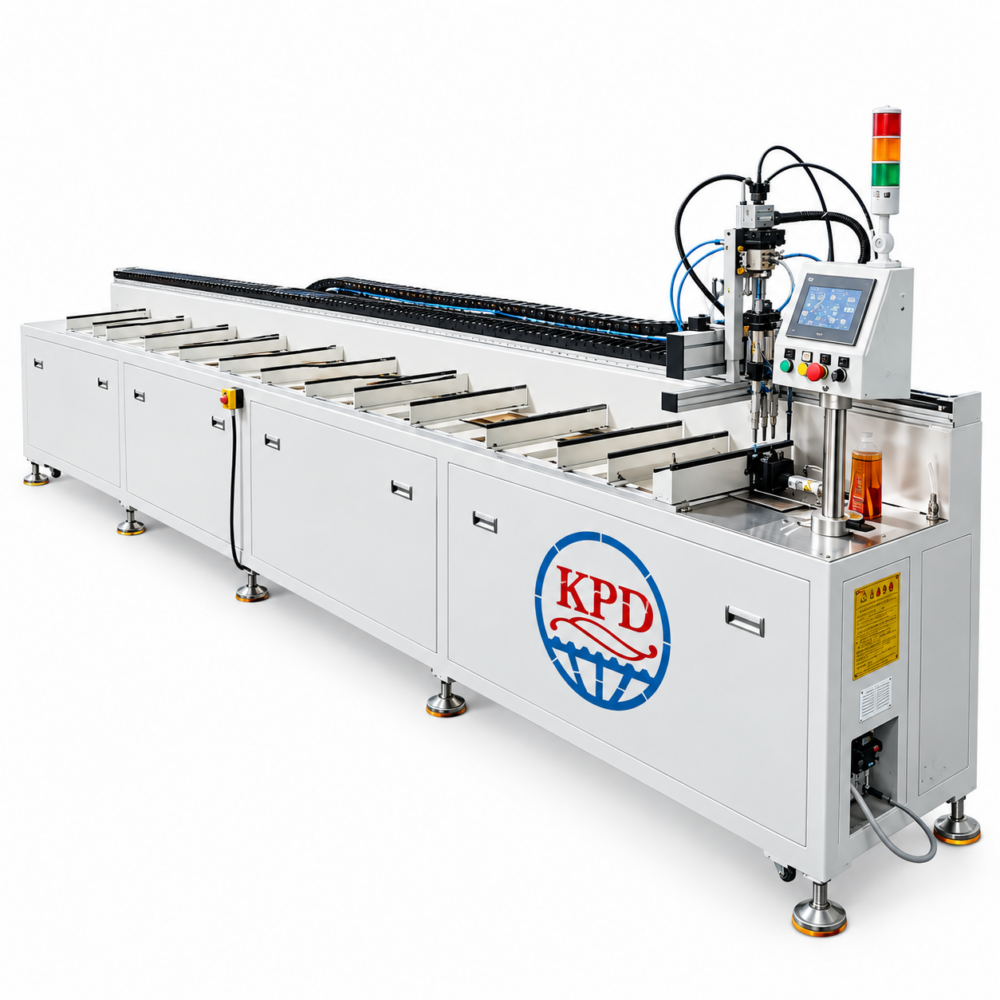
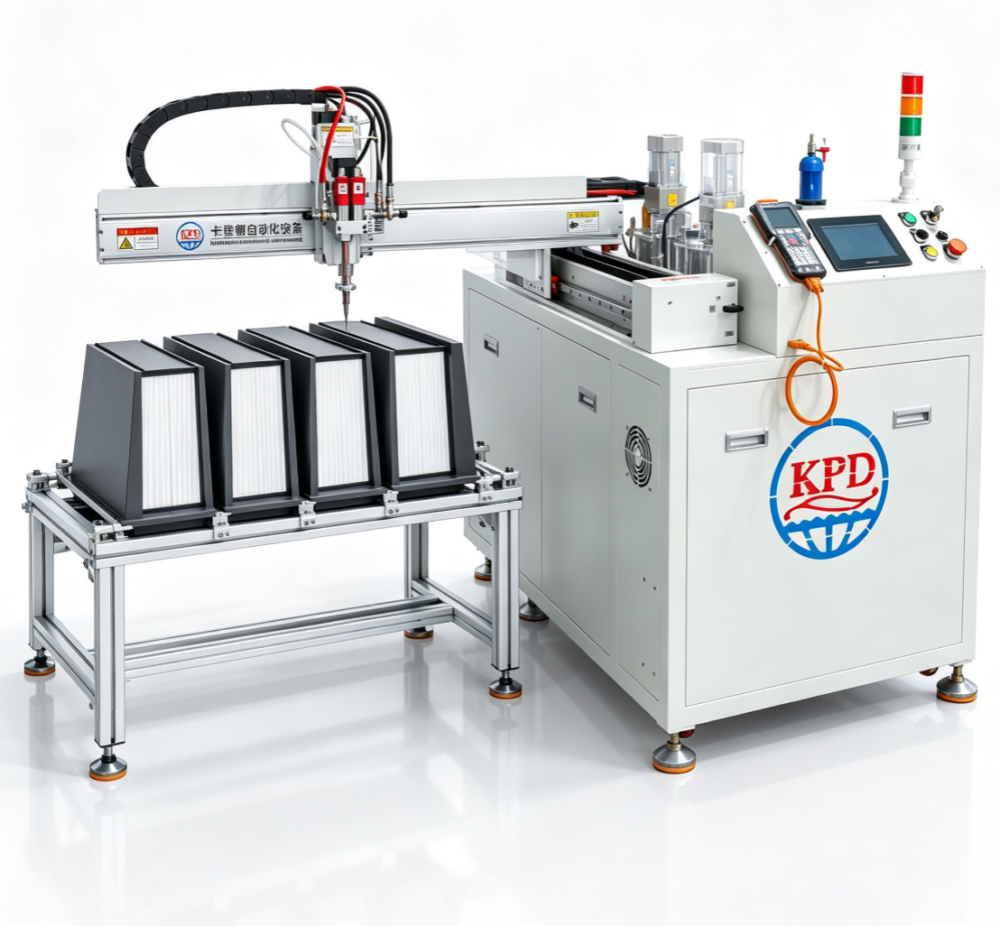
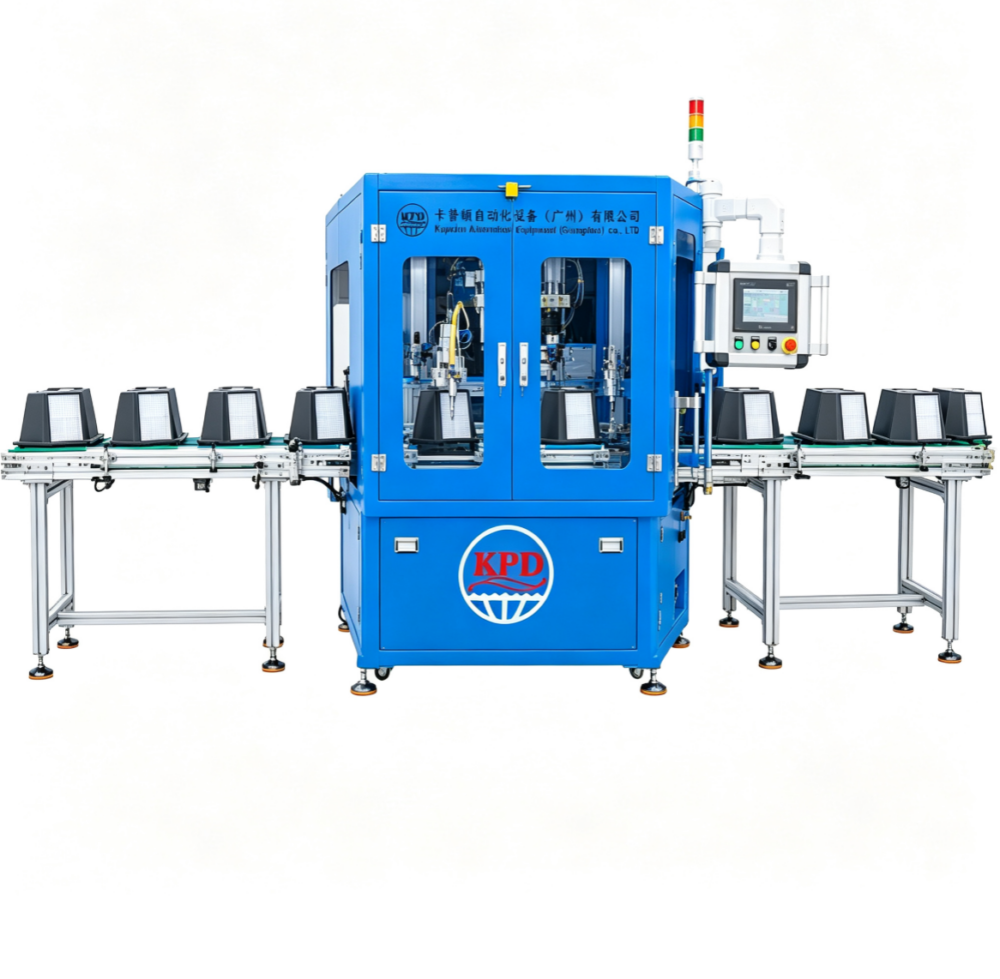
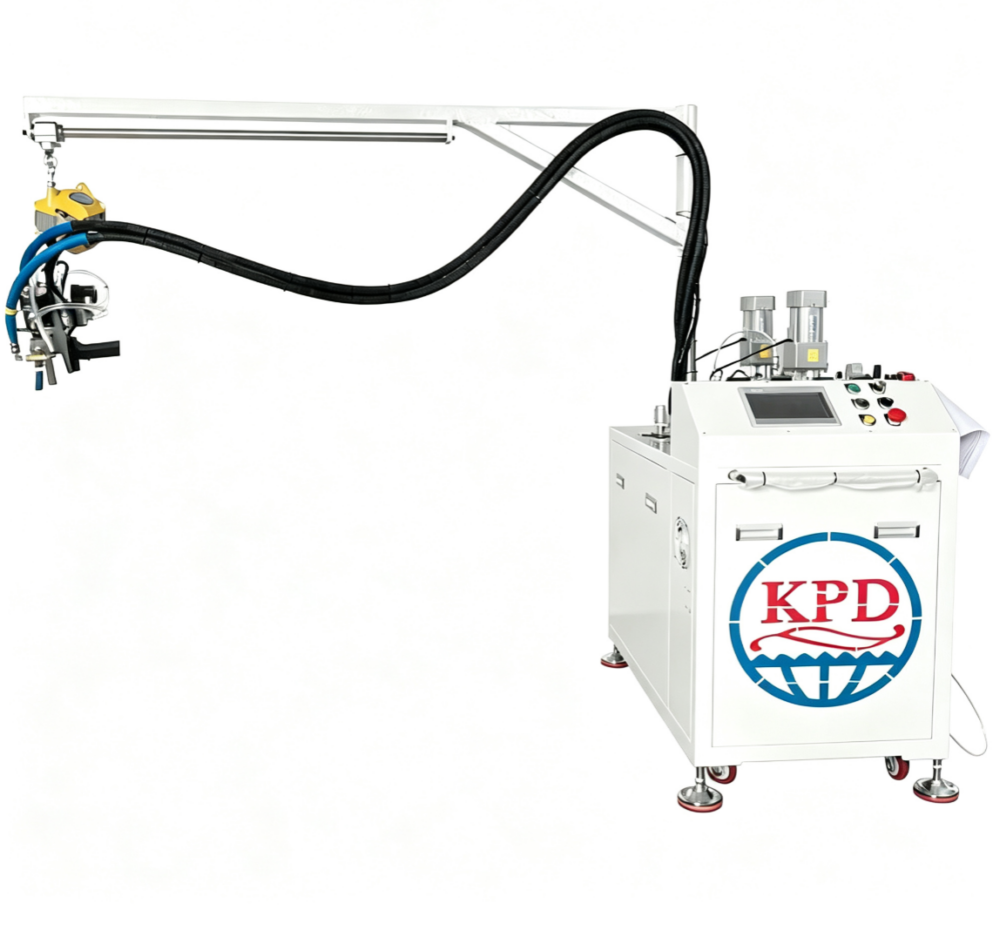
glue potting machine

A glue potting machine (also called resin potting machine or AB glue potting machine) is an automated industrial equipment that precisely meters, mixes, and dispenses liquid potting compounds (typically two-component AB glues) to encapsulate, seal, and protect electronic components and assemblies.

Core Definition & Purpose

It is designed to:
  • Encapsulate electronic parts (PCBs, sensors, transformers, LEDs, etc.) with a protective resin.
  • Provide sealing, waterproofing, insulation, shock absorption, and corrosion resistance.
  • Ensure long-term reliability of components in harsh environments.

How It Works (Typical Two-Component System)

  1. Material Storage: Two separate tanks hold resin (A) and hardener (B) to prevent premature curing.
  2. Precision Metering: High-precision pumps (gear, screw, or piston) deliver A and B in an exact, programmable ratio (e.g., 1:1, 2:1, 10:1).
  3. Mixing: The two components are mixed thoroughly in a static or dynamic mixing nozzle.
  4. Dispensing: The mixed resin is dispensed onto or into the product via a nozzle, often guided by a 3-axis robotic arm for complex patterns.
  5. Curing: The resin cures to form a solid, protective layer.

Key Features

  • PLC/Touchscreen Control: For easy programming of volume, ratio, speed, and path.
  • High Precision: Mixing ratio accuracy typically ±1–2%, positioning accuracy down to ±0.01 mm.
  • Vacuum Degassing: Removes air bubbles for void-free potting.
  • Heating/Stirring: Maintains consistent viscosity and material quality.
  • Automatic Cleaning: Prevents clogging in the mixing head.

Common Applications

  • Electronics: PCB assemblies, power supplies, sensors, LEDs, capacitors, transformers.
  • Automotive: ECUs, ignition coils, parking sensors, headlights, battery packs.
  • New Energy: Solar panels, wind turbine components, battery management systems.
  • Industrial Automation: Encoders, control units, connectors.

Common Potting Materials

  • Epoxy Resins: High strength, good adhesion, excellent electrical insulation.
  • Polyurethanes (PU): Good flexibility, impact resistance, and weatherability.
  • Silicones: Extreme temperature resistance (-50°C to 200°C+), flexibility, and good thermal conductivity.

More information please contact by whatsapp +86 17347031006

Let's start your project

Your email address will not be published.Required fields are marked *

Request a Quote